Supporting Seniors Through Grief: How Non-Medical Home Care Makes a Difference
Category:
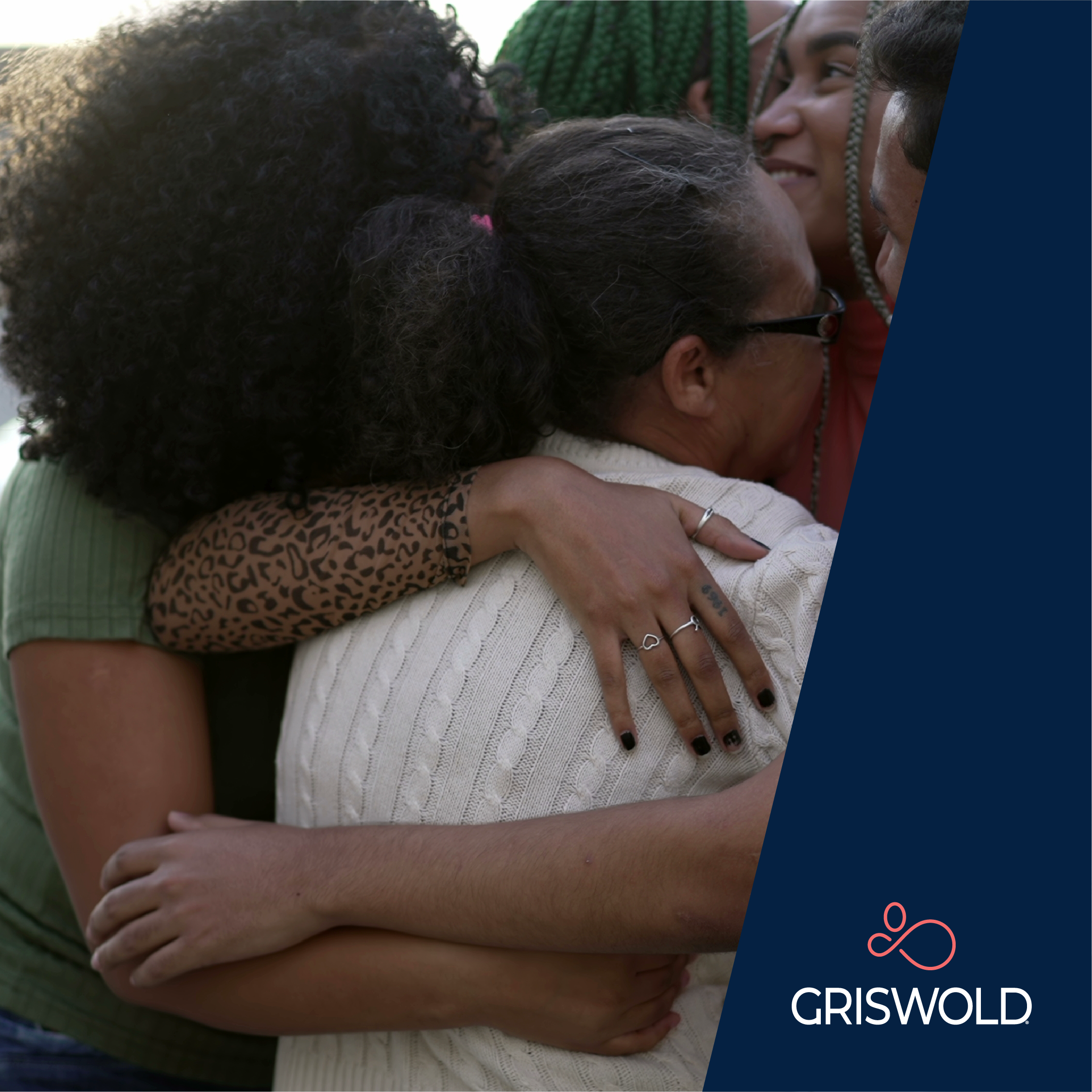
Grief is a deeply personal experience, and it can change as we age. For older adults, grief may be shaped by many types of loss, including the death of loved ones, changes in health, reduced independence, retirement, or moving from a familiar home.
Families often want to help but may not know what kind of support is most useful. Non-medical home care can provide compassionate companionship and practical assistance that helps seniors feel less alone during difficult times.
Why Grief May Be Harder in Later Life
Older adults often experience grief differently because loss can happen in many areas of life at once. A senior may not only be grieving a loved one, but also adjusting to changes in daily routines, physical ability, or social connection.
Examples of later-life losses include:
- Losing a spouse, partner, relative, or friend
- No longer driving or participating in familiar activities
- Moving away from a longtime home
- Experiencing changes in health or mobility
- Retiring from a career or role that brought purpose
These experiences can affect a senior’s emotional health and sense of independence.
Common Signs a Senior May Be Grieving
Grief may be visible, but it can also be quiet. Some seniors may talk openly about their loss, while others may keep their feelings private.
Signs of grief may include:
- Pulling away from others
- Sleeping more or less than usual
- Eating less or losing interest in meals
- Feeling anxious, restless, or irritable
- Losing motivation
- Having trouble with concentration or memory
- Neglecting household routines
When families notice these changes, compassionate support can make a difference.
How Families Can Help
Supporting a grieving senior does not require perfect words. Often, simple and consistent support matters most.
Helpful ways to support an older loved one include:
- Listening without rushing them
- Encouraging social connection
- Helping maintain familiar routines
- Being patient with emotional ups and downs
- Watching for major changes in mood or behavior
- Seeking additional support when needed
Non-medical home care can be part of that support system.
The Role of Non-Medical Home Care
Griswold Home Care offers compassionate care that supports seniors in their daily lives. Caregivers can help with tasks that may feel overwhelming during grief while also providing meaningful companionship.
Non-medical home care may include:
- Companionship care: Conversation, activities, and emotional presence
- Meal preparation: Helping seniors maintain regular meals
- Light housekeeping: Keeping the home comfortable and safe
- Errands and transportation: Supporting connection and independence
- Daily routine support: Helping create structure during uncertain times
While grief cannot be rushed, steady care can help seniors feel more secure and supported.
Compassionate Care for the Whole Person
At Griswold Home Care, we believe senior care should support both physical comfort and emotional well-being. Grieving older adults deserve patience, respect, and compassionate companionship as they move through loss in their own way.
If your loved one is grieving and could benefit from non-medical home care, Griswold Home Care is here to provide dependable support, companionship, and comfort at home.
Subscribe
Date: June 11, 2026
Category: