
Live-In Home Care for Seniors: Personalized Support at Home
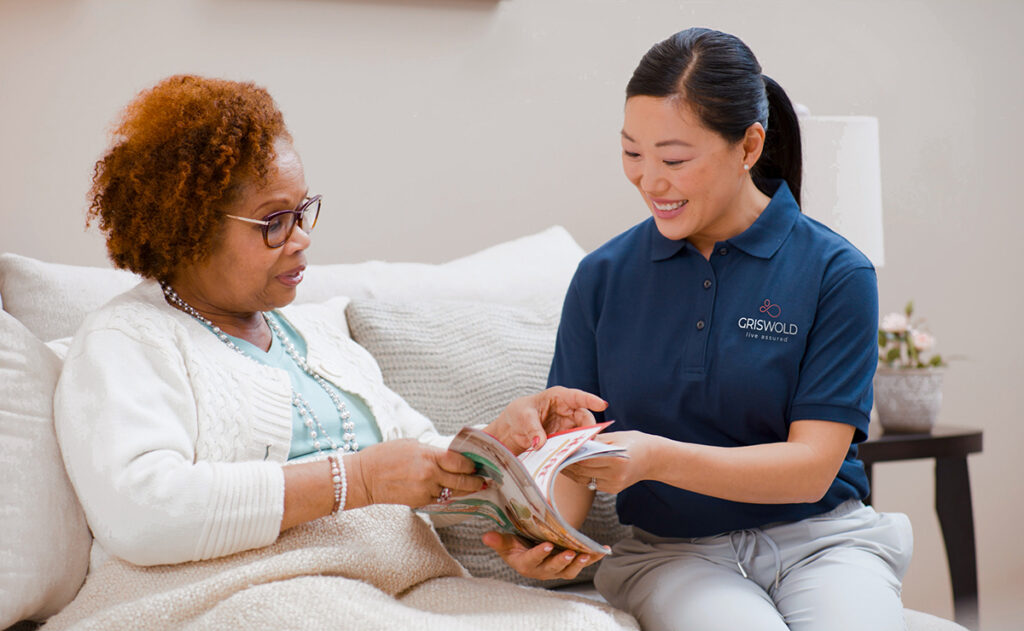
When an older adult needs help throughout the day but generally sleeps through the night, live-in home care may provide consistent support without requiring them to leave the place they know best.
A live-in Griswold Caregiver assists with daily routines, personal care, meals, companionship, and household tasks while living in the Client’s home. This arrangement may also give families confidence that someone familiar is nearby when they cannot be there.
What Is Live-In Home Care?
Live-in home care is a non-medical care arrangement in which a Caregiver lives in the Client’s home and provides support throughout the day. The Caregiver must have a private bedroom, bathroom access, scheduled breaks, and adequate uninterrupted time to sleep.
Unlike hourly care, which is provided during scheduled visits, live-in care offers one consistent presence for most of the day. It is best suited for someone who needs regular help but does not require an awake Caregiver at every hour of the night.
The role of a live-in Caregiver includes helping with personal care, preparing meals, providing medication reminders, completing light household tasks, and offering companionship. Specific live-in home care services depend on the Client’s needs, local availability, and state regulations.
By bringing personalized support into the home, live-in care may help older adults maintain familiar routines, make their own choices, and remain connected to their community.
Who May Benefit from Live-In Home Care?
Live-in senior care may be appropriate for older adults who need substantial daily assistance but usually sleep through the night without frequent support.
It can benefit:
- Seniors who live alone
- People with mobility or balance challenges
- Individuals with early- to mid-stage dementia or Alzheimer’s disease
- People living with Parkinson’s disease or a chronic condition
- Seniors recovering after surgery, illness, or hospitalization
- People who need help with most daily routines
- Families who can no longer provide ongoing care themselves
Live-in care may not be the right fit when someone needs frequent assistance overnight, cannot be left without active supervision, or requires continuous medical care. In those situations, 24-hour home care or skilled services may be more appropriate.
What Does Live-In Home Care Include?
Griswold creates or arranges care around the Client’s abilities, preferences, routines, and home environment. Common services include personal care, homemaking, and companionship.
Personal Care Assistance
A live-in Caregiver helps with:
- Bathing
- Dressing
- Grooming and oral care
- Toileting and incontinence care
- Walking and mobility
- Getting in and out of bed
- Transfers and positioning
- Morning and bedtime routines
Care is provided with respect for the Client’s privacy and independence. Whenever possible, Clients are encouraged to participate in tasks they may complete safely.
Medication Reminders
Where permitted, Caregivers can provide routine medication reminders, pick up medication, and bring a prepared medication container to the Client. Caregivers do not prescribe medications, change dosages, or administer medication.
Meal Preparation and Nutrition
Caregivers may assist with:
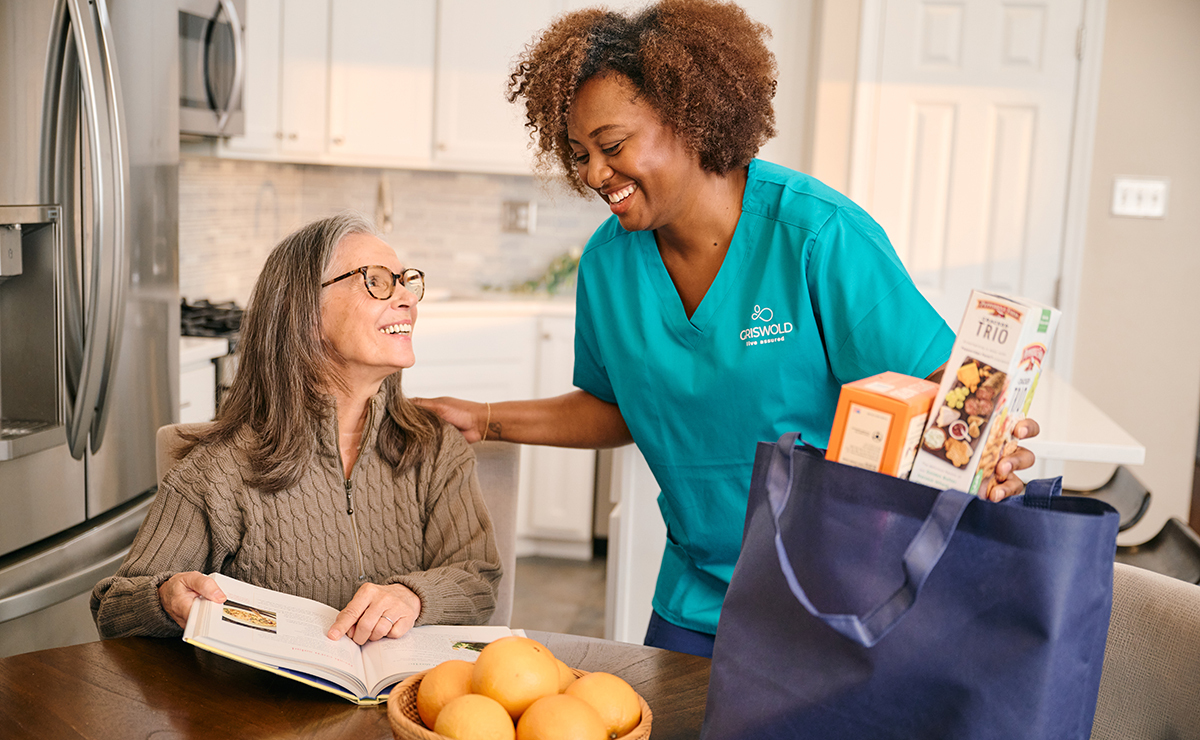
- Grocery shopping
- Meal planning
- Cooking and preparing snacks
- Encouraging hydration
- Cleaning up after meals
- Following established dietary instructions
- Accommodating food preferences
Having a Caregiver available may make it easier to maintain regular meals and notice when a Client’s eating or drinking habits change.
Companionship and Social Engagement
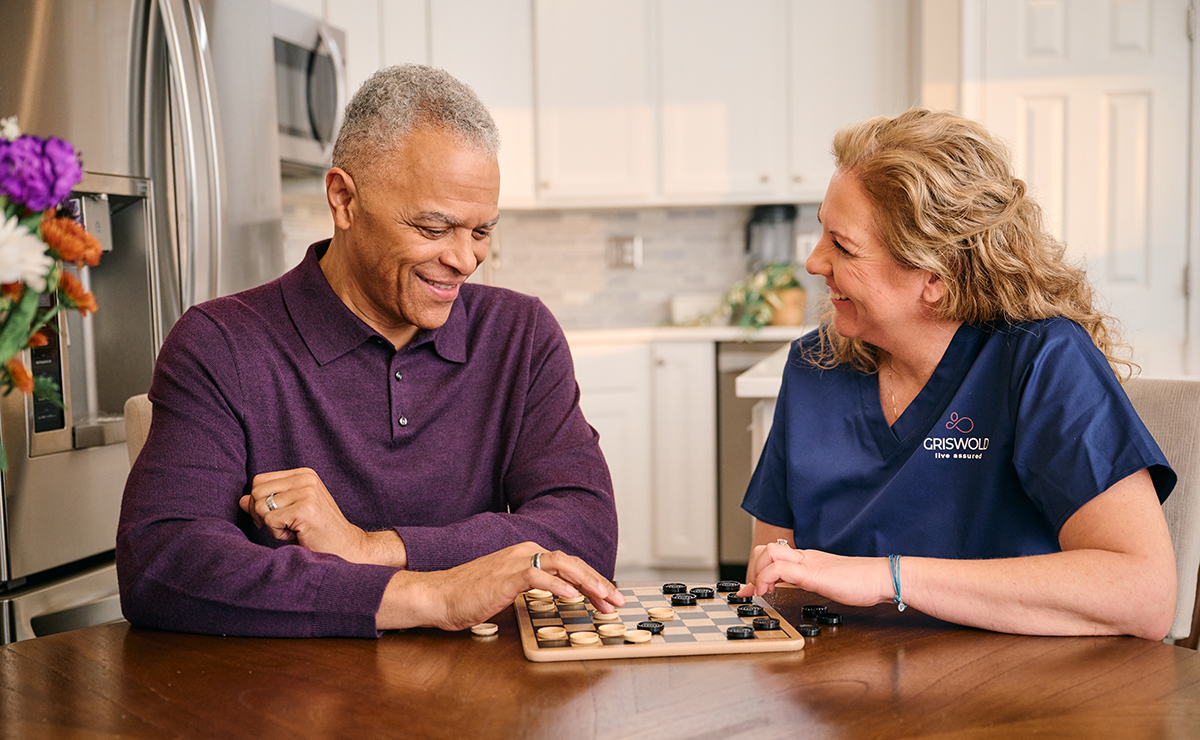
Live-in care provides regular opportunities for conversation and connection. A Caregiver can share meals, support hobbies, play games, take walks, help with phone or video calls, or accompany the Client to activities. This consistent presence may help reduce loneliness and keep the Client engaged in daily life.
Household Support
Live-in home care services may also include:
- Light housekeeping
- Laundry
- Changing linens
- Washing dishes
- Grocery shopping and errands
- Transportation
- Appointment accompaniment
- Organizing frequently used areas
These services focus on the Client’s daily needs rather than heavy cleaning, repairs, or property maintenance.
Overnight Presence
Live-in care does not include continuous awake overnight supervision. If a senior needs frequent or unpredictable assistance during the night, 24-hour home care may be more appropriate.
Support may include:
- Providing reassurance during overnight hours
- Assisting when occasional nighttime support is needed
- Helping maintain a consistent morning and evening routine
- Sharing day-to-day observations with authorized family members
- Providing a familiar presence in the home
Live-In Care vs. 24-Hour Home Care: What’s the Difference?
The main difference between live-in care and 24-hour home care is the level of support available overnight. Both options provide dependable, non-medical care at home, but they are designed for different needs.
Live-In Care
Live-in care generally includes one primary Caregiver who stays in the home, with relief coverage arranged as needed. This option may be a good fit for someone who needs consistent help throughout the day but usually sleeps through the night.
The Caregiver receives designated sleep and break periods and must have access to a private bedroom and bathroom. Because one primary Caregiver provides most of the support, live-in care may also help create greater consistency and a familiar daily routine.
24-Hour Home Care
With 24-hour home care, multiple Caregivers rotate through 8- or 12-hour shifts. Each Caregiver remains awake during the assigned shift, so support is available at every hour of the day and night.
This option may be more appropriate for someone with frequent or unpredictable nighttime needs or more extensive non-medical care needs. Because Caregivers work in shifts, sleeping accommodations are not required.
Live-in care may work well when your loved one needs regular daytime support and only limited assistance overnight. If they need an awake Caregiver available at all times, 24-hour home care may be the better fit.
Your local Griswold team may help you compare both options based on your loved one’s routines, nighttime needs, home environment, and available family support.
Benefits of Live-In Home Care
Families searching for live-in care for elderly loved ones often want dependable help without disrupting the person’s daily life.
Live-in home care may offer:
- Aging in place: The Client may remain in familiar surroundings.
- A consistent Caregiver: Fewer Caregiver changes may support comfort and trust.
- Familiar routines: Meals, personal care, activities, and rest may follow the Client’s preferred schedule.
- Greater independence: The Caregiver helps where needed without taking over unnecessarily.
- Personalized care: Support is centered on one Client’s needs and preferences.
- Added safety: Help may be available for mobility, bathing, transfers, and other daily activities.
- Regular companionship: Conversation and shared activities may reduce isolation.
- Family peace of mind: Relatives know someone dependable is present.
- Easier transitions: Consistent support may reduce stress after an illness, hospital stay, or change in ability.
Why Families Choose Griswold
For more than 40 years, families have trusted Griswold for compassionate, non-medical home care. Founded in 1982, Griswold is an award-winning pioneer in the industry, with over 200 locations in 32 states.
Our approach is centered on each Client’s abilities, preferences, and routines. Caregivers are selected for qualities such as patience, respect, and reliability, and local teams consider care needs, personality, preferences, and availability.
With the personal attention of a local office and the resources of a national organization, Griswold may help families review care as needs change while continuing to support each Client’s dignity, privacy, and independence.
How Griswold Delivers Live-In Home Care
Your local Griswold team starts by learning about your loved one’s needs, routines, and preferences. Depending on local requirements, Griswold may help your family find and choose an independent Caregiver, or your local office may provide a Care Professional from our team.
Either way, the goal is the same: personalized live-in care that helps your loved one remain comfortable, independent, and supported at home.
Frequently Asked Questions
Have questions about our live-in home care services? Below, we’ve answered some of the most common questions families ask to help you better understand how this care option works and if it might be the right fit for your loved one.
What is live-in home care?
Live-in home care is an arrangement in which a Caregiver lives in the Client’s home and provides non-medical assistance throughout the day. The Caregiver receives required breaks and uninterrupted sleep time.
How does live-in care work?
A Caregiver stays in the home, follows an agreed care plan, and may assist with daily activities. Relief coverage may be arranged during breaks, days off, or other scheduled periods.
What’s the difference between live-in care and 24-hour home care?
A live-in Caregiver sleeps in the home and has designated time off. With 24-hour care, multiple Caregivers work shifts so someone is awake and available at every hour.
Does a live-in Caregiver stay overnight?
Yes. The Caregiver stays overnight and must be provided with suitable sleeping accommodations, bathroom access, and uninterrupted rest.
What services are included in live-in home care services?
Services may include personal care, mobility assistance, medication reminders, meal preparation, companionship, laundry, light housekeeping, transportation, and errands.
Who is a good candidate for live-in senior care?
Live-in care may suit someone who needs daily assistance, should not spend long periods alone, and generally sleeps through the night without frequent help.
May the care plan change?
Yes. Care may be reviewed as the cCient’s abilities, routines, or family support change. Available adjustments depend on the local office and Caregiver availability.
How much does live-in home care cost?
Costs vary based on location, care needs, Caregiver schedules, the local care model, and the services requested. Your local Griswold office may provide information based on your family’s situation.
Get Personalized Live-In Home Care Near You
Your local Griswold team may help you understand your options, create a personalized plan, and find a Caregiver who fits your loved one’s needs and routine. Find your local Griswold or call 1.800.GRISWOLD to discuss live-in home care.
Live-in care is not available at every location. Griswold provides non-medical home care. Services, care models, Caregiver responsibilities, and availability vary by state and local office.