Preventing Falls for Families in Lehigh Valley, PA
Category:
More than 1 in 4 older adults has a fall each year.
Back in 2008, the National Council on Aging (NCOA) Falls Free® State Coalitions and Falls Prevention Workgroup came together to establish Falls Prevention Awareness Day on the first day of fall. This expanded into Falls Prevention Awareness Week. Now, we’re proud to honor Falls Prevention Awareness Month.
We want you and your loved ones to stay safe and fall-free this month and year-round. Below, learn about fall risk, fall prevention, and in-home care options.
Why Are Falls So Dangerous?
We never want our loved ones to fall, but do you know why falling is such a big risk? The U.S. Centers for Disease Control and Prevention (CDC) breaks it down in their online resource:
- Traumatic brain injuries (TBI) are commonly caused by falls.
- When you have a fall, it doubles your likelihood of another fall in the future.
- 1 in 10 falls result in injuries that require medical attention.
- Less than half of older adults tell their doctor about falls.
- Those who have had a fall might alter life habits to avoid falling again.
Falls can be caused by physical, medication, and environmental risk factors. Many of these risk factors are age-related changes. Certain disorders, vision and hearing impairments, and dementia increase fall risk. Some medications cause side effects that increase fall risk.
What Can I Do to Prevent Falls?
The Commonwealth of Pennsylvania Department of Aging is a great place to find aging programs, local resources, volunteer opportunities, and more. Their Falls Prevention for Older Adults resource offers these tips:
- Stay on top of regular doctor visits. This way, you can evaluate your risk of falling before it happens. They can check your vision and hearing. Talk to them about any medications that could make you fall. Let them know about periods of confusion or difficulty balancing.
- Prioritize the safety of your home. If your hallways and stairways are cluttered, remove tripping hazards. Clear any shoes, wires, or boxes out of the way. Make sure tables and desks don’t block walking paths.
- Install grab bars in your bathroom. They can go by your tub, shower, and toilet.
- Check your indoor and outdoor lighting. Make sure no bulbs need to be replaced.
- Incorporate strength and balance exercises into your day.
What If I Need Fall Prevention & Recovery Support?
At Griswold, one of the services we offer is fall prevention and recovery support. Through non-medical in-home care, we can be a companion, assist with light housekeeping, and support good hygiene habits. We’re here if you need assistance with errands or toileting and bathing.
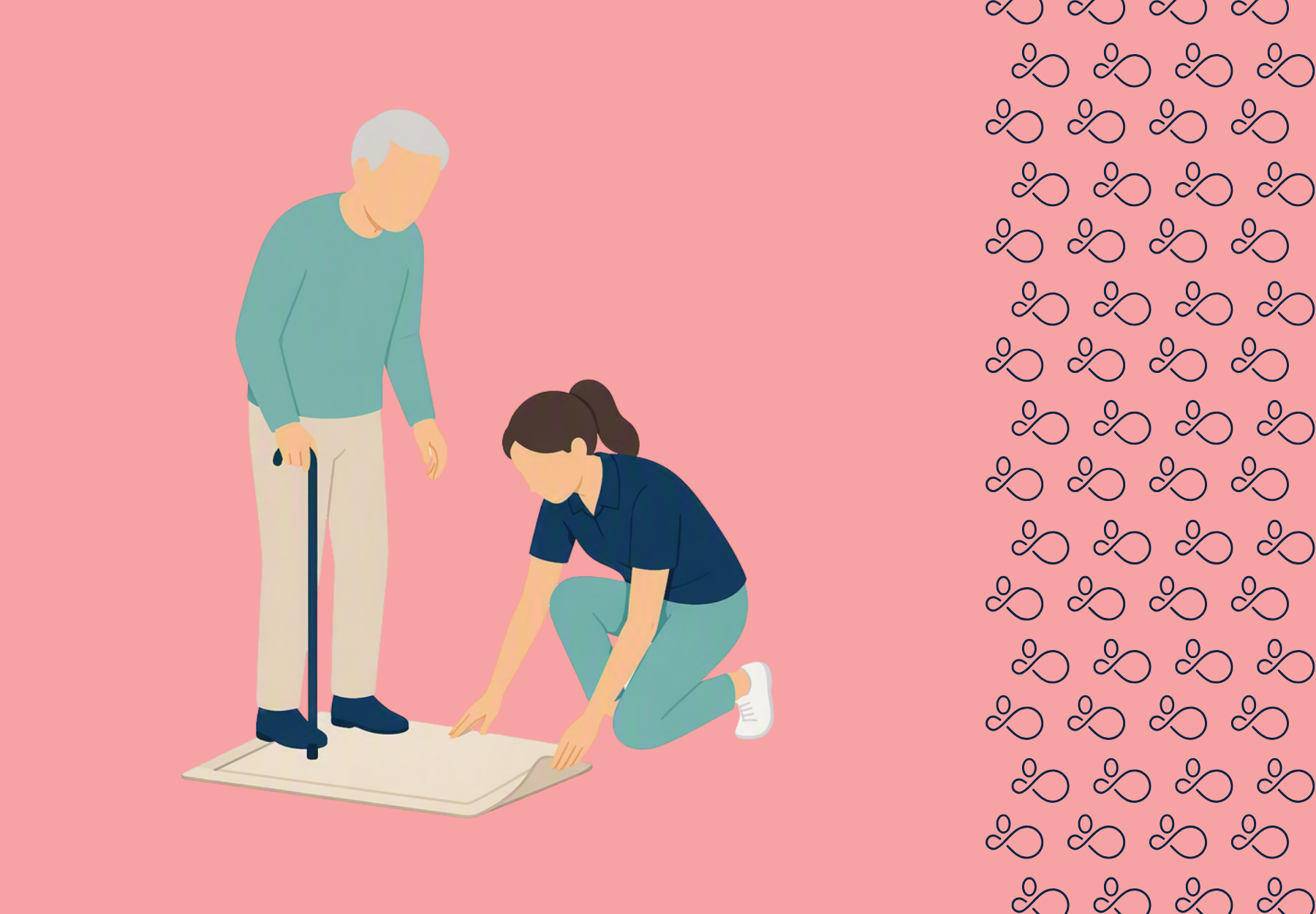
We’ll also help you with home safety. We can install night lights or non-slip mats for your loved one. If you could use some support with active range-of-motion exercises, we can help with that too.
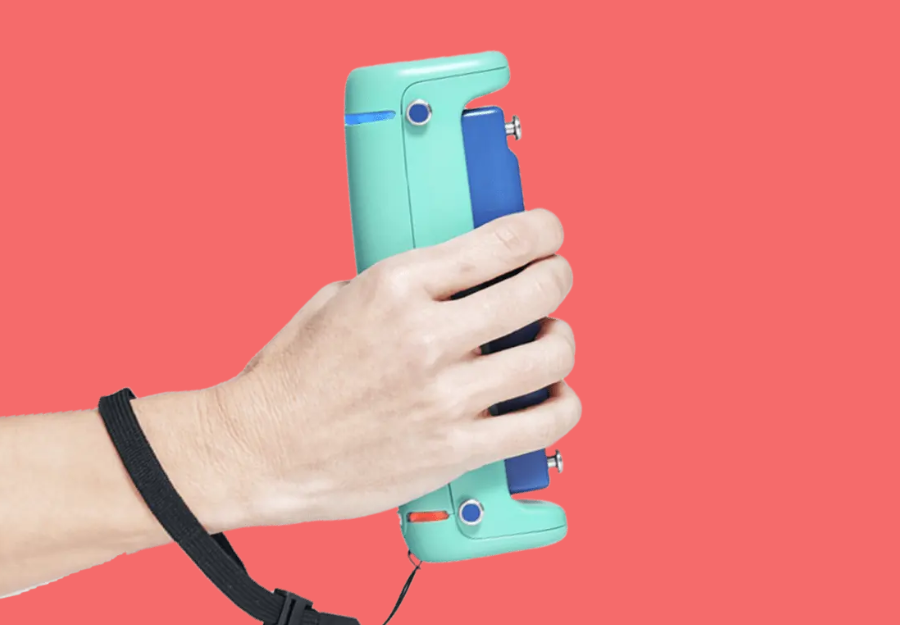
With Able Care, we now offer fall risk screenings! Their GribAble Sensor can measure your risk in under 5 minutes. The sensor measures grip strength, balance, leg strength, and gait speed. This gives us powerful insights into physical health. We also have the ability to monitor trends over time.
We’re currently scheduling fall risk screenings at local facilities! We’d love to bring the GripAble Sensor to you. Give us a call any time to get a screening scheduled.
What Else Does Griswold Offer?
In addition to fall prevention and recovery support, we offer respite care, live-in care, personal care, and door-to-door transportation. We serve Lehigh County and Northampton County, including Allentown, Bethlehem, and Easton. We’ll create a care plan personalized to your unique needs – call us to schedule an in-home assessment!
Subscribe
Date: September 17, 2026
Category: