Helping an Aging Loved One Through Grief with Compassionate Home Care
Category:
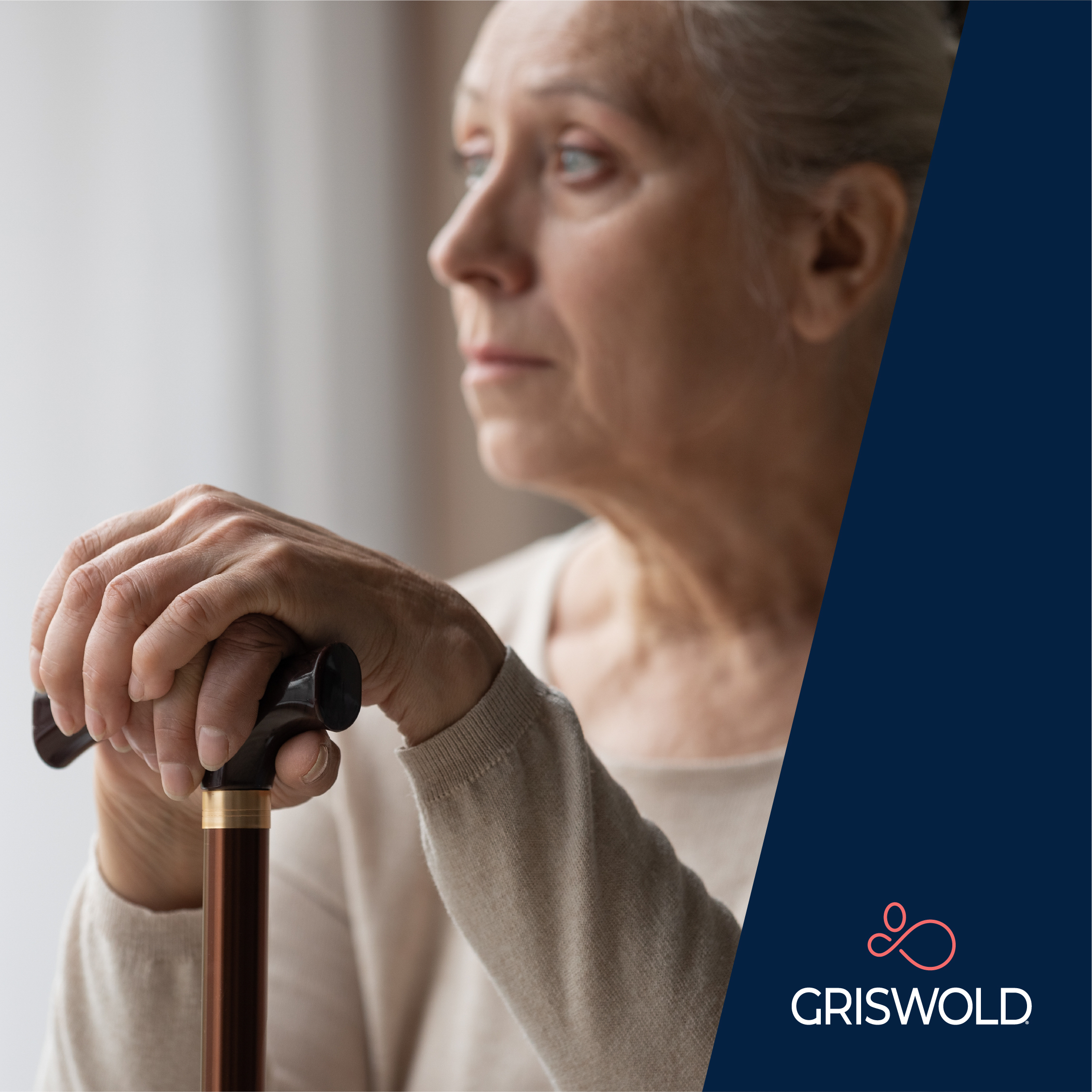
Watching an aging parent, spouse, or loved one grieve can be difficult. You may want to help but feel unsure of what to say or do. Grief can be especially complex for older adults because it is often connected to many kinds of loss—not only the death of someone close, but also changes in health, independence, home, and identity.
Griswold Home Care provides compassionate, non-medical home care that can help seniors feel supported during times of loss. Through companionship, practical assistance, and steady presence, professional caregivers can help ease the loneliness that often comes with grief.
Grief in Seniors Is Often Layered
For older adults, grief may come from several life changes happening close together. Your loved one may be grieving a spouse while also adjusting to living alone. They may be mourning friends who have passed away while dealing with their own health or mobility changes.
Older adults may experience grief related to:
- Losing a spouse, partner, family member, or friend
- No longer being able to drive or move around easily
- Leaving a longtime home
- Retiring from a meaningful career
- Feeling less connected to their community
Because these losses can overlap, grief may feel especially heavy.
When Grief Does Not Look Like Grief
Not every senior talks openly about sadness. Some older adults may have grown up believing they should “stay strong” or keep emotions to themselves. Instead of crying or discussing their feelings, they may show grief through changes in behavior.
Family members may notice:
- Less interest in favorite activities
- More time spent alone
- Changes in eating or sleeping habits
- Irritability or mood changes
- Forgetfulness or trouble concentrating
- Loss of energy
These signs do not always mean something is wrong medically, but they may indicate that your loved one needs more emotional support and connection.
Why Isolation Can Make Grief Harder
Loneliness is one of the biggest challenges for grieving seniors. After the loss of a spouse or close friends, an older adult’s day may feel much quieter. If mobility issues or transportation challenges make it harder to visit others, isolation can grow quickly.
Regular companionship can help bring comfort and consistency. Even simple moments—sharing coffee, talking about memories, taking a short walk, or doing a puzzle together—can help a senior feel connected again.
How Non-Medical Home Care Can Help
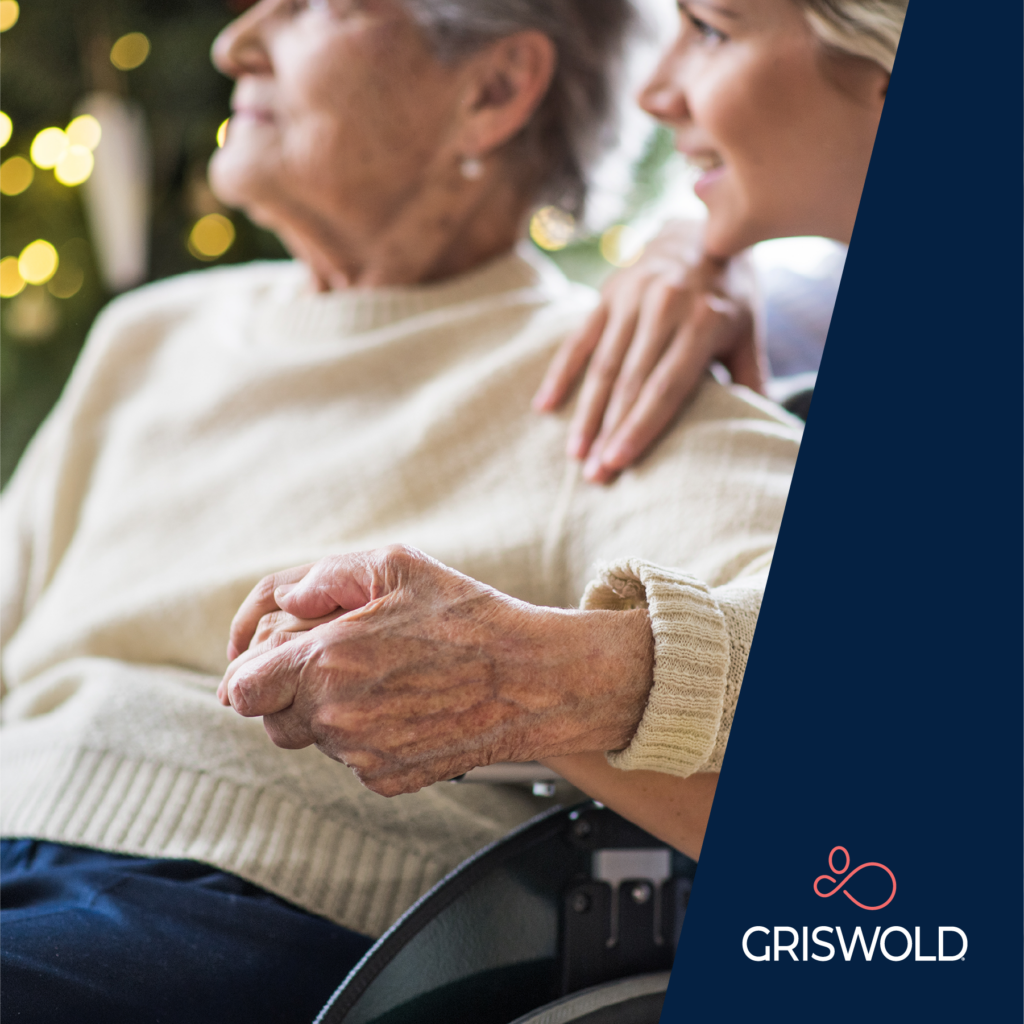
Non-medical home care offers support that fits into a senior’s everyday life. Caregivers can help with practical needs while also providing compassionate companionship.
At Griswold Home Care, support may include:
- Conversation and companionship to help reduce loneliness
- Help with meals and light housekeeping when daily tasks feel overwhelming
- Transportation and errands to support independence and connection
- Encouragement with daily routines such as getting dressed, eating regularly, or staying active
- A calm, caring presence during emotionally difficult days
This type of care can help your loved one feel supported without taking away their independence.
Supporting Your Loved One with Patience
There is no perfect timeline for grief. Some days may feel easier, while others may bring unexpected sadness. The most important thing families can offer is patience, compassion, and steady support.
Griswold Home Care is here to help seniors and families navigate difficult seasons with dignity. Our non-medical home care services are designed to support emotional well-being, daily comfort, and meaningful connection at home.
If your aging loved one is grieving and could use companionship or daily support, Griswold Home Care is here when you need us.
Subscribe
Date: June 11, 2026
Category: