
Understanding the Dangers of High Summer Temperatures on Seniors
Category:
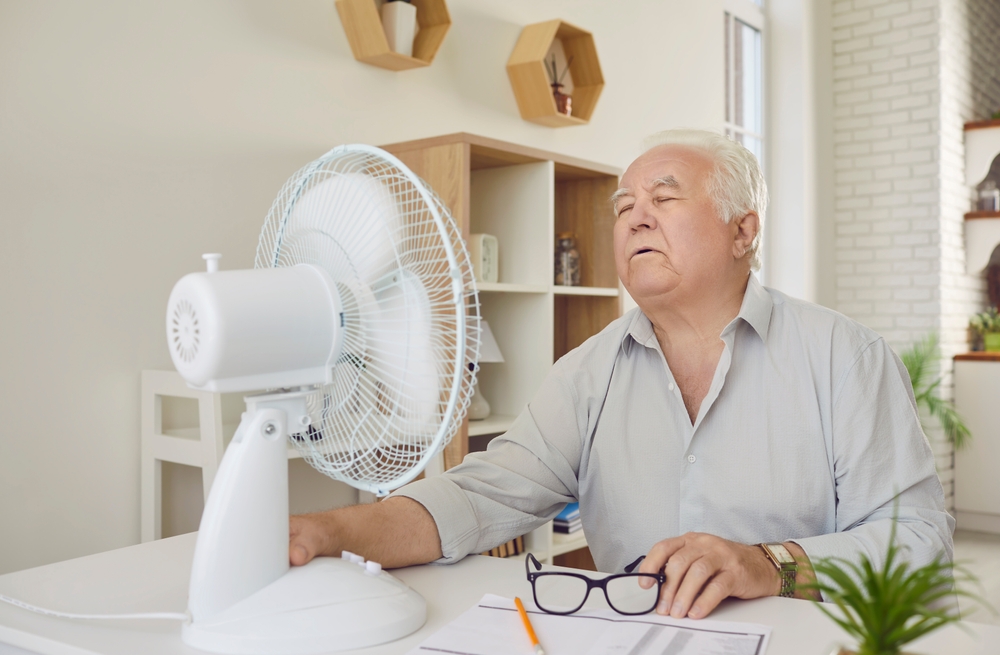
With temperatures continuing to rise year over year, it’s important to recognize the dangers present to older adults.
As we age, our bodies get less efficient at dealing with heat and cooling the body. This becomes a huge problem for aging adults living in an area that sees high temperatures regularly throughout the summer, like Greensboro. For context, the hottest temperature recorded in Greensboro each year has been over 93° F every year since 2013. With only three years since the turn of the century, having highs under 94° F.
How Does Heat Affect Seniors Differently?
As mentioned earlier, reducing heat in the body becomes more difficult with age. Being able to keep a healthy body temperature is vital to living a healthy life at any age. When your body becomes less efficient at it, you become more likely to develop heat exhaustion or other heat-related illnesses. Signs you may have heat exhaustion include dizziness, fatigue, and a weak, rapid pulse. The body’s best defense against high temperatures is through sweating. As we age, however, our sweat glands become less effective. Our glands produce sweat at a lower rate than when we were younger. Thus, it makes it more difficult to keep the body’s temperature at a healthy level.
Another way the body cools itself is by increasing blood flow to the skin. Or, pushing blood out and away from our core. This process requires the heart to work harder, which can endanger those with heart disease. In fact, in a recent study done in China, the risk of a fatal heart attack in older adults was most prevalent during heat waves.
Finally, older adults struggle with staying hydrated more than their younger counterparts. A large part of this is caused by a decreased sense of thirst that sets in as we age. There are also several common medications that seniors use that draw fluid out of the body. Dehydration can also affect other diseases older adults may have. This includes kidney disease, which an estimated 40% of adults 65 and older currently have. Not staying hydrated can lead to kidney failure, which would harm that 40% more. Diabetes can also be worsened by a lack of hydration. Blood sugar becomes more concentrated when there’s less water in the body, and it can become difficult to manage sugar levels because of it.
High Temperature Safety Checklist
When high temperatures are coming, follow the checklist below to be as prepared as possible.
- Check the forecast
- Pay attention to humidity levels
- Talk to your doctor about medications
- Stay hydrated and get creative about it. If you struggle with drinking water, try cold fruit, sports drinks, or fruit juice
- Keep a fan close by
- Pay close attention to your thermostat
- Have a backup plan ready in case your AC malfunctions
- Know the warning signs of heat illness
We Can Help
Our Caregivers can help with a lot! Through our homemaking, personal care, and companionship, we can assist you in preparing your home for a heat wave, look out for signs of dehydration, and assist your loved one with staying hydrated.
If you live in Greensboro and are interested in learning more about our services, give us a call today! We would be happy to discuss how our care can help you and your loved one Live Assured.
Subscribe
Date: July 18, 2025
Category: