Causes of Stroke and Ways to Stay Active
Category:
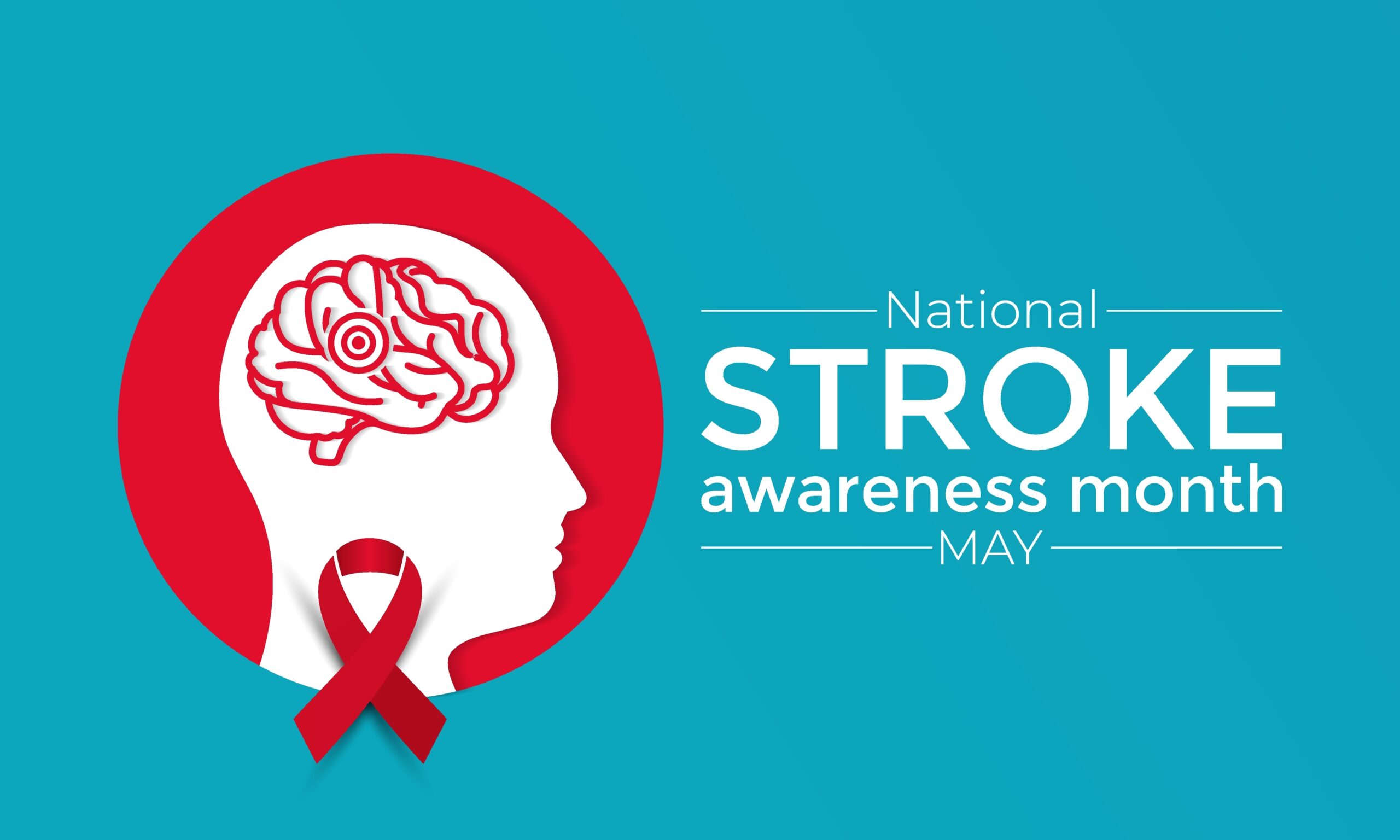
This May, we’re honoring National Stroke Awareness Month by recognizing the strength of survivors and the families who support them every day.
When you see the signs of a stroke, it’s vital to remember the acronym BEFAST. Balance loss, Eye changes, Face drooping, Arm weakness, Speech difficulty, and Time to call 911. Acting fast can be lifesaving. You may also help prevent long-term damage and allow for a quicker recovery.
What Causes a Stroke?
In general, a stroke is a brain injury that occurs when the brain cannot get enough oxygen and other nutrients. This happens when blood flow to the brain gets disrupted. Then, brain cells begin to die, which leads to the physical, mental, and emotional changes that come with a stroke.
But what causes blood flow to be interrupted? Most strokes are classified as ischemic, which results from blood flow being blocked by a blood clot or becoming too narrow for blood to pass through. A less common type of stroke is known as hemorrhagic. This occurs when a blood vessel bursts and blood leaks into the brain, which then causes damage.
Physical Activities for Stroke Rehab
After suffering from a stroke, there are many approaches to help recover. They may include physical, emotional, and mental activities, as well as other therapies. Some of the most common physical activities that are used to help rehab after a stroke include:
- Motor-skill exercise: These help improve muscle strength and coordination throughout the body. This includes muscles used for balance, walking, and swallowing.
- Mobility training: You may need to learn to use mobility aids such as a cane, walker, leg brace, or wheelchair. Leg braces can help support your body weight as you learn to walk again.
- Constraint-induced therapy: During this, an unaffected limb is restrained while you work on moving an affected limb to improve its function. This is also referred to as forced-use therapy.
- Range-of-motion therapy: These exercises are designed to ease muscle tension and help regain range of motion.
Local Resources
Cone Health – after a stroke, partner with Cone Health rehabilitation professionals to gain skills that help you live well after a stroke.
Blumenthal Health & Rehabilitation Center – backed by 50 years of rehabilitation experience and fueled by compassion to deliver the best care possible, the exclusive LifeWorks Rehab® program is the gold standard in recovery from surgery, injury or illness.
Guilford County Stroke Support Group – located at Cone Health MedCenter in Greensboro, topics include community outreach, educational support, emotional support, in-person support, and more.
Griswold Can Help
Stroke recovery doesn’t end at the hospital. Healing continues at home, and no one should have to go through it alone. At Griswold Home Care for Greensboro, our non-medical caregivers can help make recovery at home safer, more comfortable, and less overwhelming by providing companionship, emotional support, help with daily routines, personal care, meal preparation, light housekeeping, medication reminders, and more.
Our Caregivers can provide respite care, if you need a short break, all the way up to 24-hour home care, for those who need support throughout the day and night. We provide home care services throughout Greensboro and the surrounding areas. Give us a call today to learn more about how we can best help you.
Subscribe
Date: May 13, 2026
Category: