Exploring Home Care and Hospice: What Makes Them Different
Category:
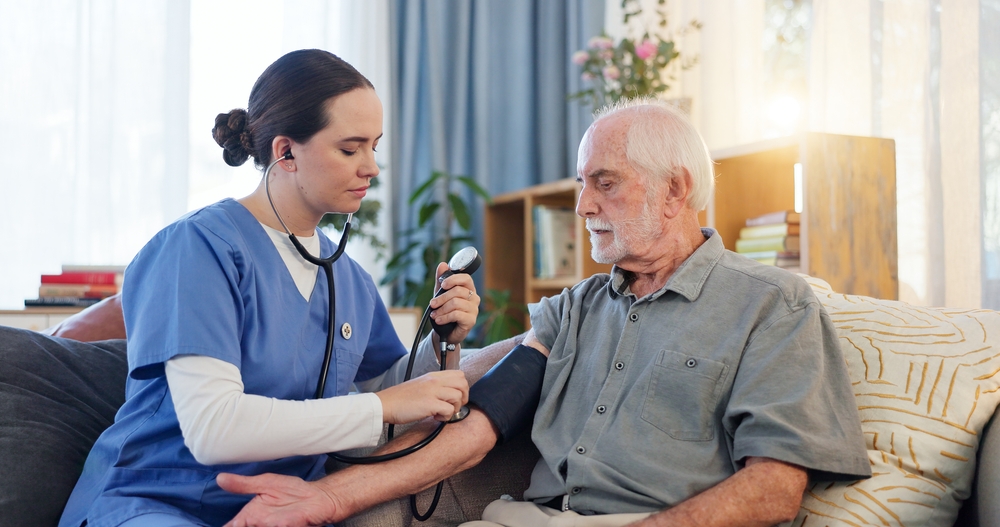
Hospice care is often provided in a person’s home or wherever they consider home, but it is not the same as home care. Understanding the difference can help families choose the right type of support and set clear expectations when a loved one needs care at home or may be transitioning to hospice. This guide explains what home care involves, how it differs from hospice care, and how both can support individuals and their families.
What Is Home Care?
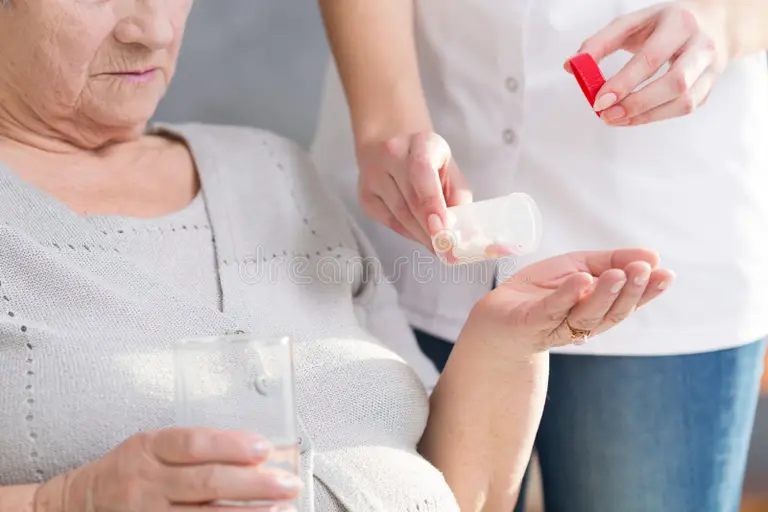
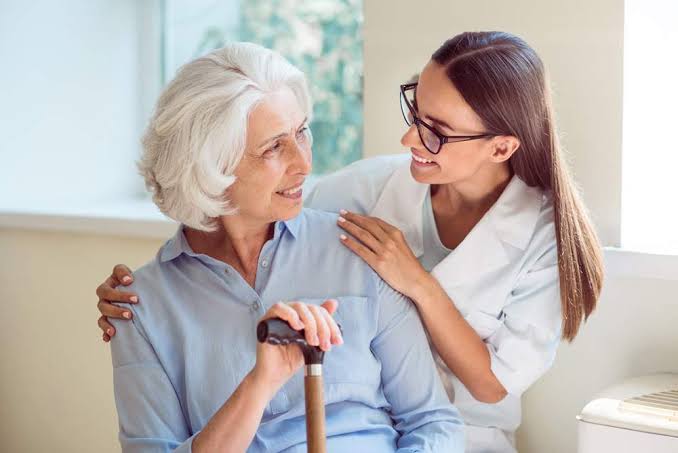
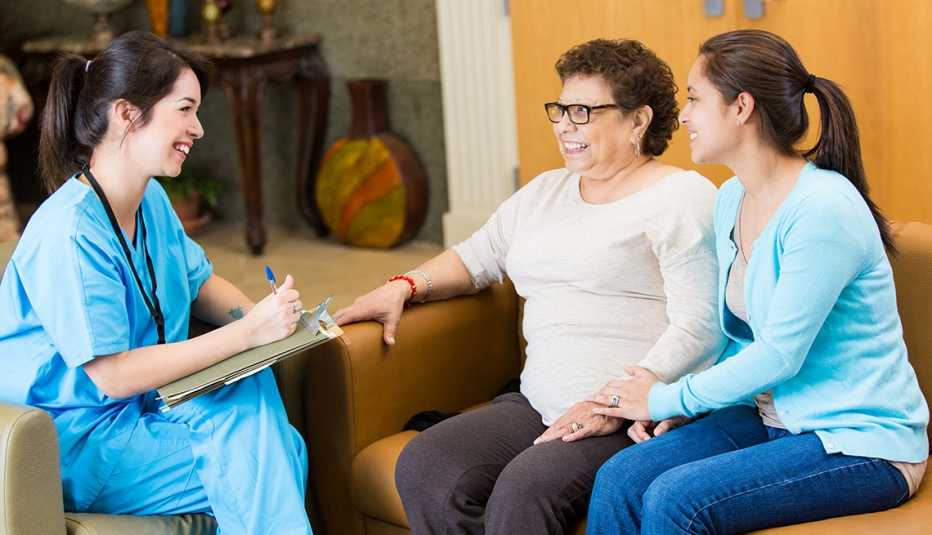
Home care focuses on non-medical support for individuals who need help with daily activities while remaining in the comfort of their own home. It is ideal for those who want to maintain independence but may need assistance with everyday tasks.
Home care services often include:
- Personal care (bathing, dressing, grooming)
- Meal preparation
- Light housekeeping
- Companionship and supervision
- Help with daily routines
Home care is commonly used by seniors, individuals with disabilities, or those recovering from illness who need extra support—but not necessarily medical treatment.
How Does Home Care Differ From Hospice Care?
The goal of home care is to support daily living and maintain independence at home.
Hospice care, on the other hand, is designed for individuals nearing the end of life. Instead of focusing on recovery or independence, hospice prioritizes comfort, pain relief, and quality of life when curative treatments are no longer being pursued.
What Is Hospice Care?
As noted earlier, hospice care does not aim to cure an illness. Instead, it prioritizes relieving symptoms and improving comfort so patients can experience the best possible quality of life. To qualify for hospice, a patient is typically expected to have a life expectancy of six months or less.
Hospice services are provided wherever the patient considers home, such as a private residence, assisted living facility, or nursing home.
Conclusion
While both home care and hospice provide support in the home, they serve different purposes. Home care helps individuals remain independent with daily support, while hospice care focuses on comfort when a person is nearing the end of life.
If you’re unsure which type of care is right for your loved one, speaking with a care provider can help you understand your options and choose the support that best fits your needs. For other questions, please visit our website at Greater Temecula Providing Caregivers | Griswold (griswoldcare.com), call/text at 951-346-1352, or email at nolan.chandler@griswoldhomecare.com.
Subscribe
Date: April 30, 2026
Category: