Choosing the Right Type of In-Home Caregiver for Your Loved One
Category:

When it comes to providing care for a loved one, finding the right in-home caregiver is essential to ensure they receive the best care possible.
However, with so many options available, it can be difficult to determine which type of caregiver is the right fit for your loved one’s needs. In this post, we’ll help you understand the different types of in-home caregivers and how to choose the best one for your family.
- Personal Care Aides (PCA)
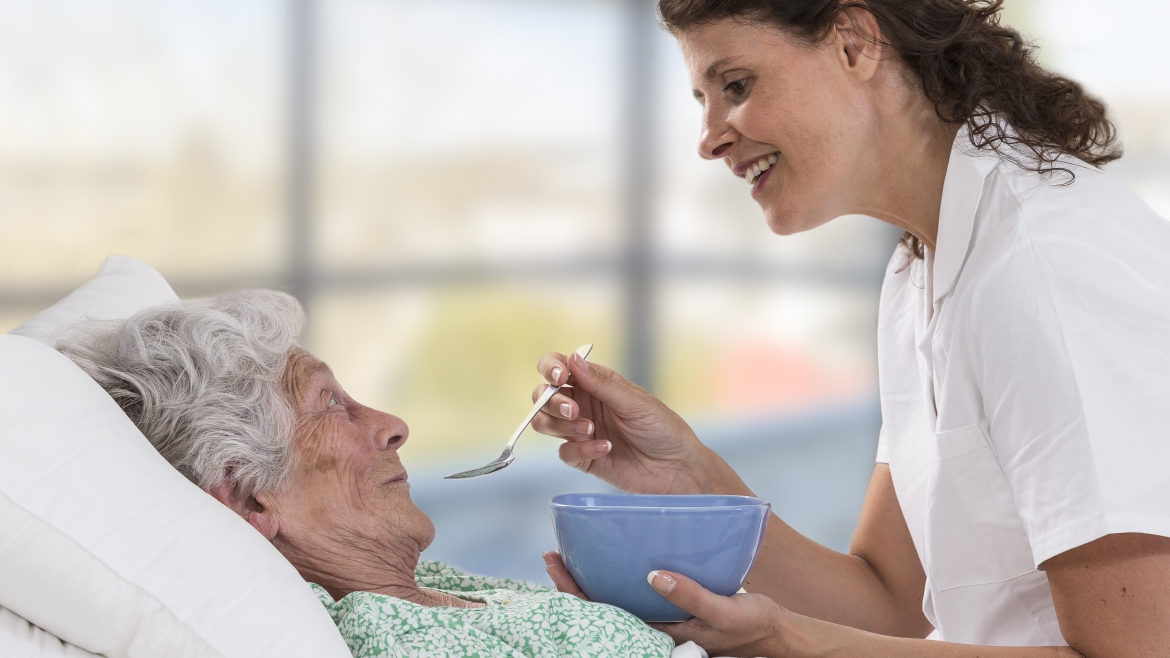
Personal Care Aides provide assistance with daily activities such as bathing, dressing, grooming, and mobility. If your loved one is generally independent but needs help with personal hygiene or getting around the house, a PCA may be a great fit. They can also help with light housekeeping, meal preparation, and medication reminders, making them ideal for those who need basic assistance but still want to maintain as much independence as possible.
- Home Health Aides (HHA)
Home Health Aides offer more specialized care, often working with individuals who have chronic illnesses, disabilities, or recovering from surgery or hospitalization. In addition to the personal care services provided by PCAs, HHAs are trained to assist with more complex medical needs such as monitoring vital signs, managing medications, or helping with physical therapy exercises. If your loved one needs more medical support alongside assistance with daily activities, a Home Health Aide might be the best choice.
- Nursing Care Providers
For individuals with more intensive medical needs, a registered nurse (RN) or licensed practical nurse (LPN) may be required. Nurses provide more advanced medical care, such as wound care, administering injections, and managing complex medical equipment. If your loved one has a serious illness or medical condition that requires skilled nursing, hiring a nurse to provide in-home care ensures they receive the professional care they need in the comfort of their own home.
- Companions
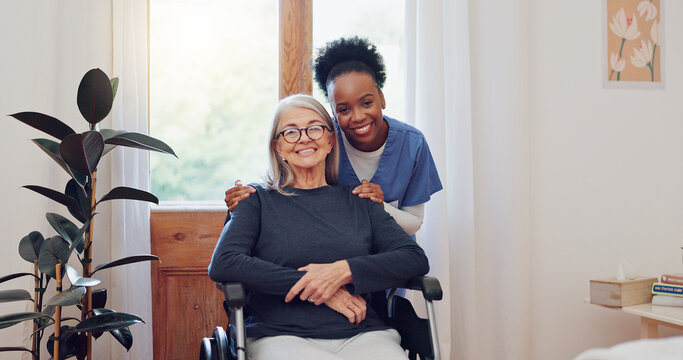
Companions provide social interaction and emotional support. While they do not assist with medical tasks or personal care, they play a vital role in enhancing your loved one’s quality of life by providing companionship, conversation, and helping them stay engaged in activities. If your loved one is generally independent but could benefit from someone to talk to or enjoy activities with, a companion can help reduce feelings of loneliness and isolation.
- Specialized Caregivers
Some individuals may need care from someone with specialized training, especially those with conditions like dementia, Alzheimer’s disease, or other cognitive impairments. These caregivers have specific training in managing the unique challenges that come with memory loss and behavioral changes. If your loved one is dealing with a neurological condition, a specialized caregiver will be able to provide the tailored care and understanding needed to manage these conditions effectively.
Conclusion:
Choosing the right in-home caregiver is an important decision that requires careful consideration of your loved one’s needs, preferences, and the level of care required. Whether you opt for a personal care aide, a home health aide, a nurse, or a companion, the goal is to ensure that your loved one receives the best possible care in the comfort of their own home. By taking the time to assess their needs and match them with the right caregiver, you can help provide them with the care, support, and companionship they deserve.
Having trouble choosing the right caregiver for your loved one? You can reach us at 951-281-0681, or email nolan.chandler@griswoldhomecare.com. You can also visit our website Greater Temecula Providing Caregivers | Griswold (griswoldcare.com).
Subscribe
Date: May 9, 2025
Category: