Preventing Medication Errors With Non Medical Home Care
Category:
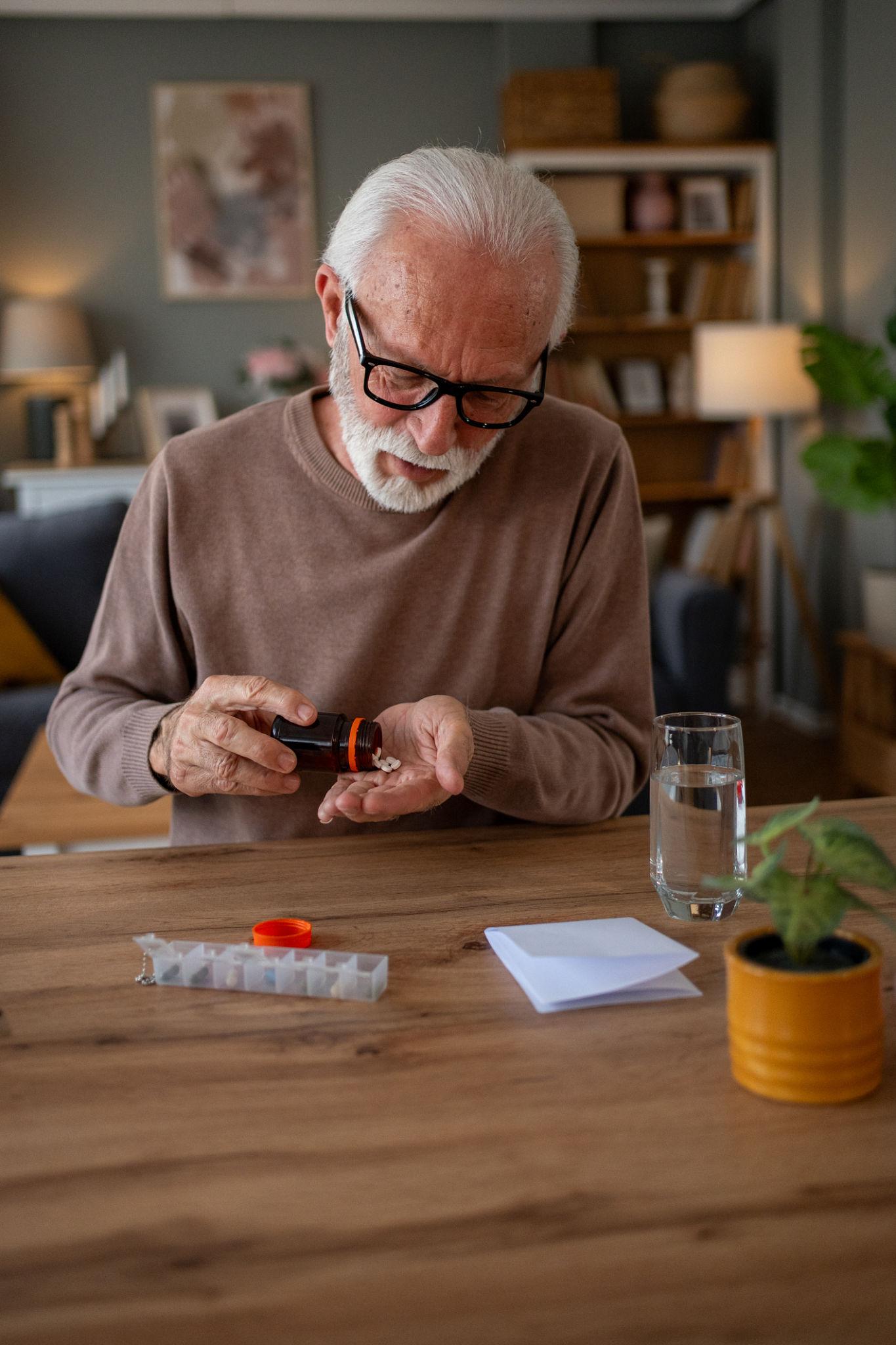
Medication mistakes are one of the most common—and preventable—risks for older adults living at home. Missed doses, duplicate medications, or confusion about timing can lead to hospitalizations and serious health issues. While non medical home care providers do not administer medications, they play an important role in helping clients stay safe and organized.

Where problems usually start
Many seniors take multiple medications prescribed by different providers. Add in changes after hospital stays, similar-looking pill bottles, and memory challenges, and it is easy to see how errors happen. Even something as simple as taking a medication at the wrong time can reduce effectiveness or cause harm.
How non medical home care helps reduce risk
Caregivers focus on support and oversight, not clinical tasks. Here is how they help:
- Medication reminders at the right time of day
- Assistance with organizing pill boxes and calendars
- Observing for missed doses or unusual side effects
- Encouraging communication with family and healthcare providers
- Helping maintain an updated medication list
These simple steps create consistency and reduce the chance of errors over time.
Practical tips families can use today
- Use a weekly pill organizer with clear labels
- Keep an updated medication list in a visible place
- Set alarms or use reminder apps
- Review medications regularly with a pharmacist or physician
- Avoid mixing old and new prescriptions in the same container
The value of a team approach
Preventing medication errors works best when families, caregivers, and healthcare professionals stay aligned. Non medical home care can serve as the “eyes and ears” in the home, helping catch issues early before they become serious problems.
If you are exploring support, many agencies offer a free home safety assessment to identify risks like medication mismanagement and provide practical solutions. You can learn more about how this works through our internal resource on home safety and care planning.
Learn more
For additional guidance on medication safety, visit trusted resources like the Centers for Disease Control and Prevention and the National Institute on Aging.

Subscribe
Date: April 21, 2026
Category: