Fall Prevention at Home: Simple Safety Tips for Aging Adults
Category:
Falls are one of the most common reasons older adults lose independence. They can lead to injuries, hospital stays, and long recovery periods. The good news is that many falls can be prevented. With a few simple changes at home and a little awareness, you can make a big difference in safety and confidence.
Whether you are caring for a loved one or thinking ahead for yourself, fall prevention starts with the home environment.
Why Fall Prevention Matters
As we age, balance, strength, and vision can change. Medications can also affect how steady someone feels. These factors increase the risk of falling, even in a familiar space.
Many people think falls happen outside, but most actually occur at home. That means the home is the best place to focus your efforts.
Preventing a fall is always easier than recovering from one.
Start With Clear Walkways
One of the simplest ways to reduce fall risk is to keep walking areas clear.
Look around each room and remove anything that could cause a trip. This includes:
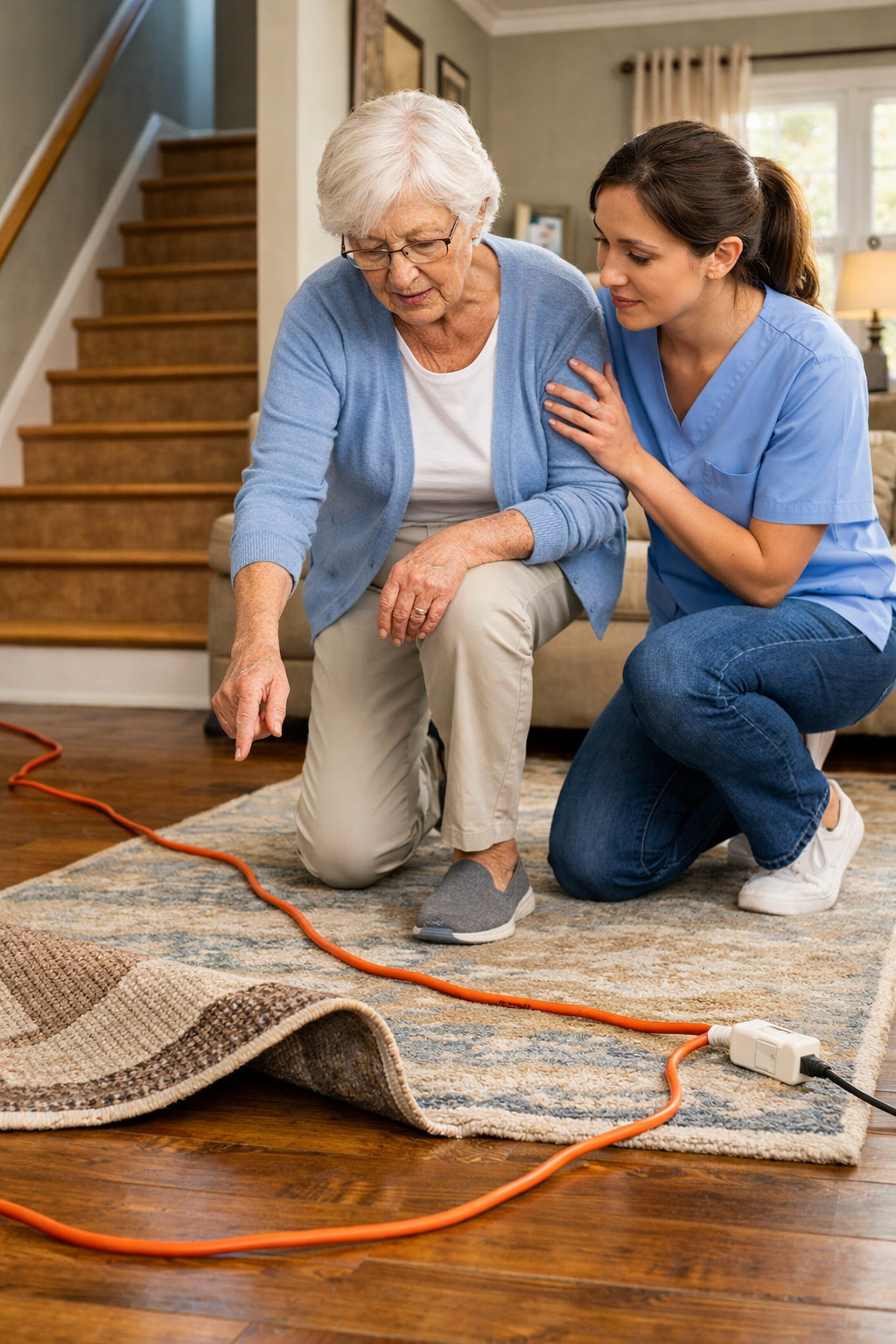
- Loose rugs
- Electrical cords
- Shoes or small objects on the floor
- Clutter near furniture
Even small obstacles can become serious hazards. A clean, open path makes it easier to move safely from room to room.
If rugs are needed, make sure they lie flat and are secured with non slip backing.
Improve Lighting Throughout the Home
Good lighting is one of the most overlooked safety features.
Many falls happen because someone simply cannot see well enough. Shadows, dim rooms, and glare can all increase risk.
Focus on these areas:
- Hallways
- Staircases
- Bathrooms
- Entryways
- Bedrooms
Add bright, even lighting where needed. Use nightlights to help guide movement at night. Motion sensor lights can also be helpful, especially for trips to the bathroom.
Make sure light switches are easy to reach, including at the top and bottom of stairs.
Make the Bathroom Safer
The bathroom is one of the highest risk areas in the home. Wet surfaces and limited space make it easy to slip.
Simple changes can greatly improve safety:
- Install grab bars near the toilet and inside the shower
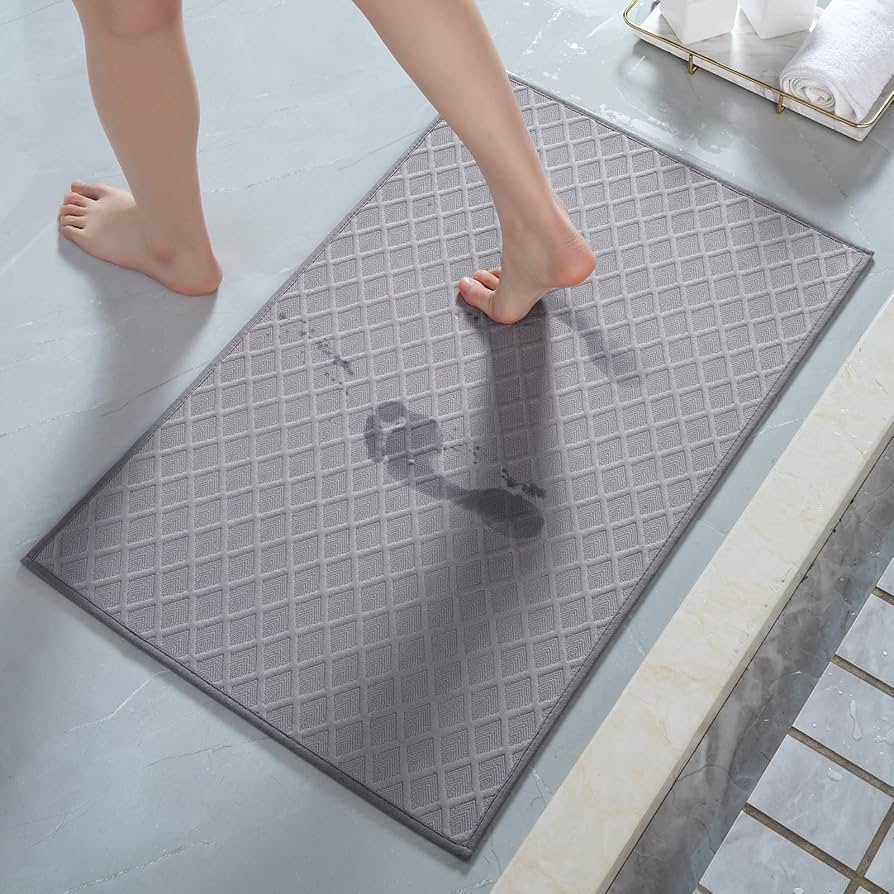
- Use non slip mats in the shower or tub
- Consider a shower chair for added stability
- Use a handheld shower head for easier bathing
Avoid using towel bars for support. They are not designed to hold weight and can give way.
A raised toilet seat may also help reduce strain and improve balance when sitting and standing.
Focus on Stair Safety
Stairs require extra attention because they combine movement, balance, and elevation.
Make sure:
- Handrails are secure and present on both sides
- Steps are free of clutter
- Lighting is bright and consistent
- Edges of steps are clearly visible
If needed, add contrast strips to help define each step. This can be especially helpful for those with vision changes.
Take time to assess how often stairs are used. In some cases, it may be safer to limit the need to go up and down by rearranging living spaces.
Choose the Right Footwear
Footwear plays a bigger role than many people realize.
Encourage the use of supportive shoes with non slip soles, even indoors. Avoid:
- Loose slippers
- Socks without grip
- Shoes with worn soles
Proper footwear improves traction and stability. It also provides better support for balance.
Keep Everyday Items Within Reach
Reaching, stretching, or climbing can quickly lead to a fall.
Arrange the home so that commonly used items are easy to access. This includes:
- Dishes and utensils
- Clothing
- Toiletries
- Medications
Avoid storing items in high cabinets or low spaces that require bending or climbing.
If something is out of reach, it is safer to ask for help than to take a risk.
Be Mindful of Cords and Technology
In today’s homes, cords are everywhere. They can easily become tripping hazards if not managed properly.
Take a close look at:
- Extension cords across floors
- Charging cables near beds or chairs
- Power strips in walking areas
Whenever possible, secure cords along walls or behind furniture. Keep them out of main pathways.
This is a simple fix that can prevent serious accidents.
Encourage Strength and Balance
The home environment is important, but physical strength also plays a key role in fall prevention.
Encourage activities that support balance and mobility, such as:
- Walking
- Light strength exercises
- Balance training
Even small improvements in strength can reduce the risk of falling.
If needed, a physical therapist can provide guidance on safe exercises tailored to the individual.
Review Medications
Some medications can cause dizziness, drowsiness, or changes in blood pressure. These effects can increase fall risk.
It is important to:
- Review medications regularly with a physician
- Watch for side effects like lightheadedness
- Monitor how medications interact with each other
If there are concerns, adjustments can often be made to improve safety.
Consider Vision and Hearing
Vision and hearing changes can affect awareness of surroundings.
Regular checkups can help identify issues early. Updated glasses or hearing support can make a meaningful difference in safety.
Clear vision helps with depth perception and obstacle detection. Good hearing can alert someone to hazards or changes in the environment.
Use Assistive Devices When Needed
Some individuals benefit from tools that provide added support.
This may include:
- Canes
- Walkers
- Bed rails
- Transfer aids
Using these devices is not a sign of weakness. It is a proactive step toward safety and independence.
Make sure devices are properly fitted and used correctly.
The Value of a Home Safety Assessment
Even with the best intentions, it can be hard to see every risk in your own home.
This is where a home safety assessment can be very helpful.
Many home care agencies offer this service at no cost. A trained professional will walk through the home and identify potential hazards. They may notice things that are easy to miss, such as subtle tripping risks or areas with poor lighting.
A home safety assessment often includes:
- Room by room evaluation
- Recommendations for improvements
- Guidance on equipment or modifications
- Practical tips tailored to the individual
This can provide peace of mind and a clear plan for making the home safer.
For families, it is also a great way to start a conversation about safety in a supportive and non intrusive way.
Build Safe Habits
Fall prevention is not just about the environment. It is also about daily habits.
Encourage simple practices such as:
- Taking time when standing up
- Using handrails consistently
- Avoiding rushing
- Asking for help when needed
Confidence grows when safety becomes part of routine behavior.
Support Independence With Safety
Many older adults value independence above all else. The goal of fall prevention is not to limit freedom, but to support it.
A safe home allows someone to move with confidence. It reduces fear and helps maintain quality of life.
Small changes can have a big impact. Often, the most effective solutions are simple and low cost.
Final Thoughts
Falls are not an inevitable part of aging. With awareness and a few thoughtful adjustments, many can be avoided.
Start with the basics. Clear pathways, improve lighting, and address high risk areas like bathrooms and stairs. Make sure footwear is safe and items are within easy reach.
Consider a home safety assessment for a fresh perspective. It is an easy step that can uncover risks and provide practical solutions.
In the end, fall prevention is about protecting what matters most. Safety, independence, and peace of mind.
Taking action today can help ensure a safer tomorrow.
Subscribe
Date: March 23, 2026
Category: