
Rising Concerns in Senior Mental Heath in Mission Viejo
Category:
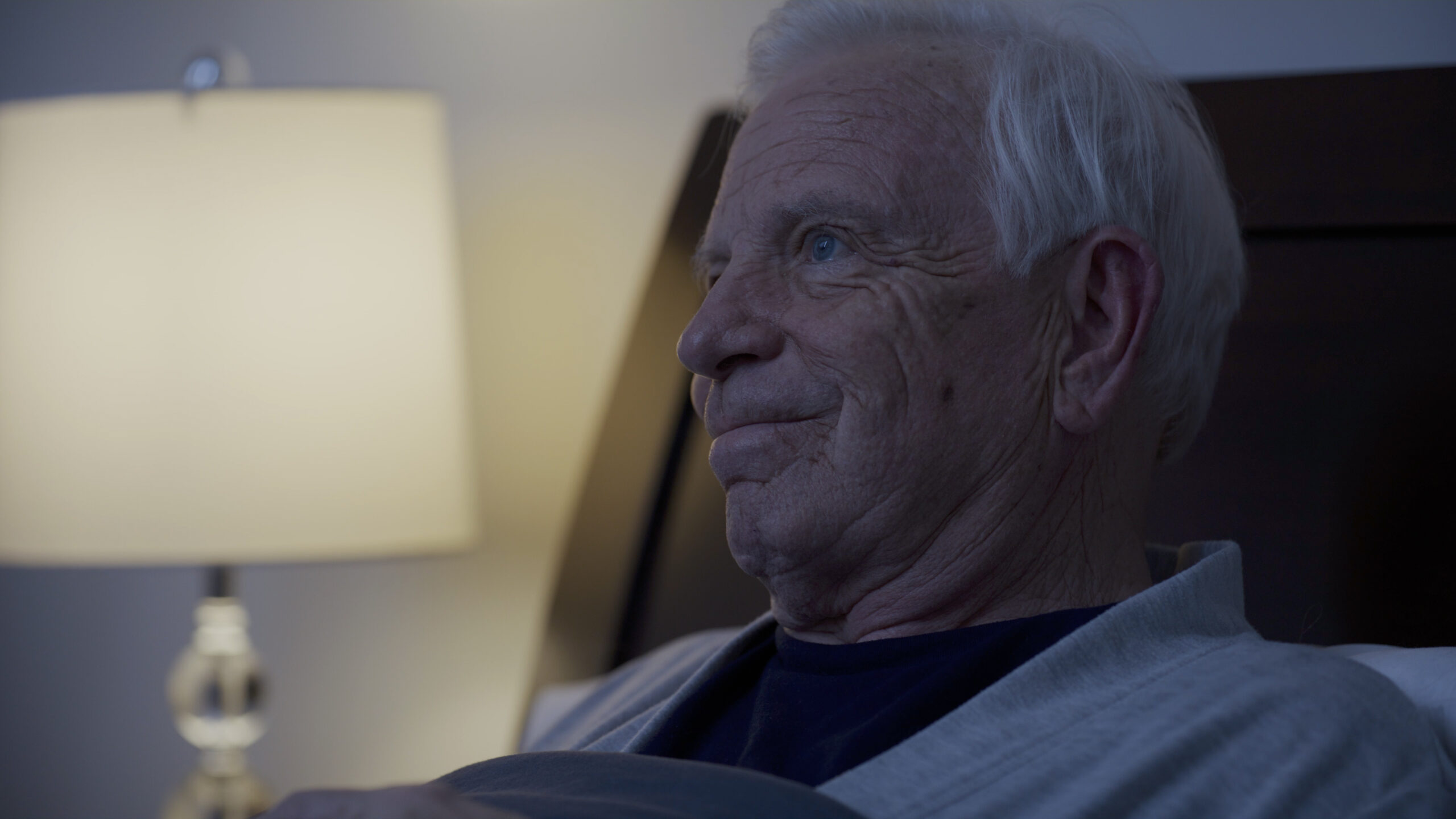
The Facts
Currently, depression is the most frequent mental health issue in older adults, affecting up to 15% of seniors with clinically significant symptoms, though it is frequently underdiagnosed or mistaken for normal aging. (Jama Network) In addition, Anxiety Disorders affect roughly 10% to 20% of adults aged 65 and older, often triggered by health concerns, loss of independence, or bereavement. (NCOA) In addition, progressive neurocognitive conditions like Alzheimer’s disease that severely impair memory, thinking, and daily functioning, have become an increasing issue in senior health.
Depression and anxiety are important concerns because they can affect nearly every aspect of a senior’s daily life. Depression may cause persistent sadness, loss of interest in activities, low energy, difficulty sleeping, and feelings of hopelessness. Anxiety can cause excessive worrying, restlessness, difficulty concentrating, and fear about the future.
It is also important to recognize that mental health affects more than just emotional well-being. It can influence memory, physical activity, relationships, and a person’s ability to maintain independence. Addressing these concerns early can help prevent additional complications.
Signs and Symptons
Family members, friends, and caregivers play an important role in recognizing changes in a senior’s behavior. Some warning signs include:
- Withdrawing from friends, family, and social activities.
- Losing interest in hobbies or activities they once enjoyed.
- Experiencing changes in sleeping or eating habits.
- Frequently expressing worry, sadness, or irritability.
- Having difficulty concentrating or completing everyday tasks.
- Showing less interest in personal hygiene or daily responsibilities.
Recognizing these changes is important because some seniors may feel uncomfortable discussing their mental health or may not realize that they need help.
Treatment and Ways to Improve Mental Health
Fortunately, depression and anxiety are treatable, and there are several ways to help seniors manage these conditions. Here are some important treatment and prevention options to consider:
– Stay Socially Connected: Encourage seniors to spend time with family and friends, participate in community events, and maintain meaningful relationships to reduce loneliness and isolation.
– Maintain a Healthy Lifestyle: Regular physical activity, balanced meals, and consistent sleep schedules can improve mood, reduce stress, and support overall physical and mental well-being.
– Participate in Hobbies and Activities: Encourage activities such as gardening, painting, reading, puzzles, or learning new skills. These activities provide enjoyment, stimulate the mind, and create a sense of purpose.
– Seek Professional Support: Counseling, therapy, and appropriate medical treatment can help seniors manage depression, anxiety, grief, and other emotional challenges.
Caregivers have an important responsibility in supporting the mental health of older adults. Providing companionship, listening without judgment, and encouraging seniors to participate in activities can help them feel valued and supported. Caregivers can also help recognize concerning behavioral changes and encourage seniors to seek professional assistance.
Even small gestures, such as sharing a meal, taking a walk together, or having a conversation, can make a meaningful difference in someone’s day.
How Griswold Can Help
Remember, mental health is just as important as physical health. Choosing Griswold Home Care for Greater Mission Viejo means choosing compassionate, personalized support that helps older adults maintain their independence and quality of life. Serving families from Mission Viejo to San Clemente, we are committed to supporting seniors’ emotional well-being through compassionate, personalized care. Our free in-home assessments help us understand your loved one’s needs and match them with a caregiver who can provide companionship, emotional support, and encouragement to stay socially engaged. Contact us today!
Subscribe
Date: November 2, 2026
Category: