
Preventing Falls and Fractures For Elders in Greater Mission Viejo
Category:
The Rising Concern
Falls are the leading cause of injury and accidental death among older adults, with more than one-fourth of adults aged 65 and older falling each year. Although not every fall results in an injury, approximately 37% of people who fall experience an injury serious enough to require medical treatment or limit their activities for at least one day. (CDC.gov) As people age, they may be more likely to experience balance problems, weaker muscles, vision changes, or other factors that can increase their risk of falling. A fall can result in injuries such as fractures, head injuries, or sprains, which may require medical treatment and make everyday activities more difficult. With this in mind, it is very important for seniors and those assisting them to take precautions in order to reduce the risk of falls and help maintain their safety and independence.
Main Risk Factors; Why Are Seniors More Susceptible?
Research has identified several conditions and circumstances that can increase a person’s risk of falling. These are known as risk factors, and many of them can be changed or managed to help prevent falls. Some common risk factors include:
- Muscle weakness – Especially weakness in the legs, hips, and core, which can make standing and walking more difficult.
- Poor balance – Difficulty maintaining stability while standing, turning, or changing positions can increase fall risk.
- Slow reaction time – A slower ability to react to obstacles or changes in balance can make it harder to prevent a fall.
- Environmental Hazards – Clutter, dim lighting, loose rugs, and lack of bathroom grab bars trigger a high percentage of accidental slips.
- Vision & Cognitive Changes – Poor depth perception, reduced contrast sensitivity, and cognitive impairment delay reactions to environmental hazards.
How You Can Prevent a Fall:
Staying healthy and making a few changes to your daily routine can go a long way toward preventing falls and fractures. Many falls can be avoided by recognizing potential risks and taking steps to address them. Here are some helpful tips to reduce the risk of falling and suffering a broken bone. (Tips mainly from Mayo Clinic)
- Strength and Balance Exercises: Try strength training, tai chi, or yoga to improve balance and stability.
- Review Medications: Ask a doctor or pharmacist if any medications may cause dizziness or drowsiness.
- Make the Home Safer: Remove clutter and loose rugs, improve lighting, and add grab bars where needed.
- Regular Health Checkups: Have your vision and feet checked regularly, and wear supportive shoes with good traction.
- Stay Hydrated: Drink enough water to help prevent dehydration, weakness, and dizziness
- Use Assistive Devices: If needed, use canes or walkers correctly to improve stability and reduce the risk of falling.
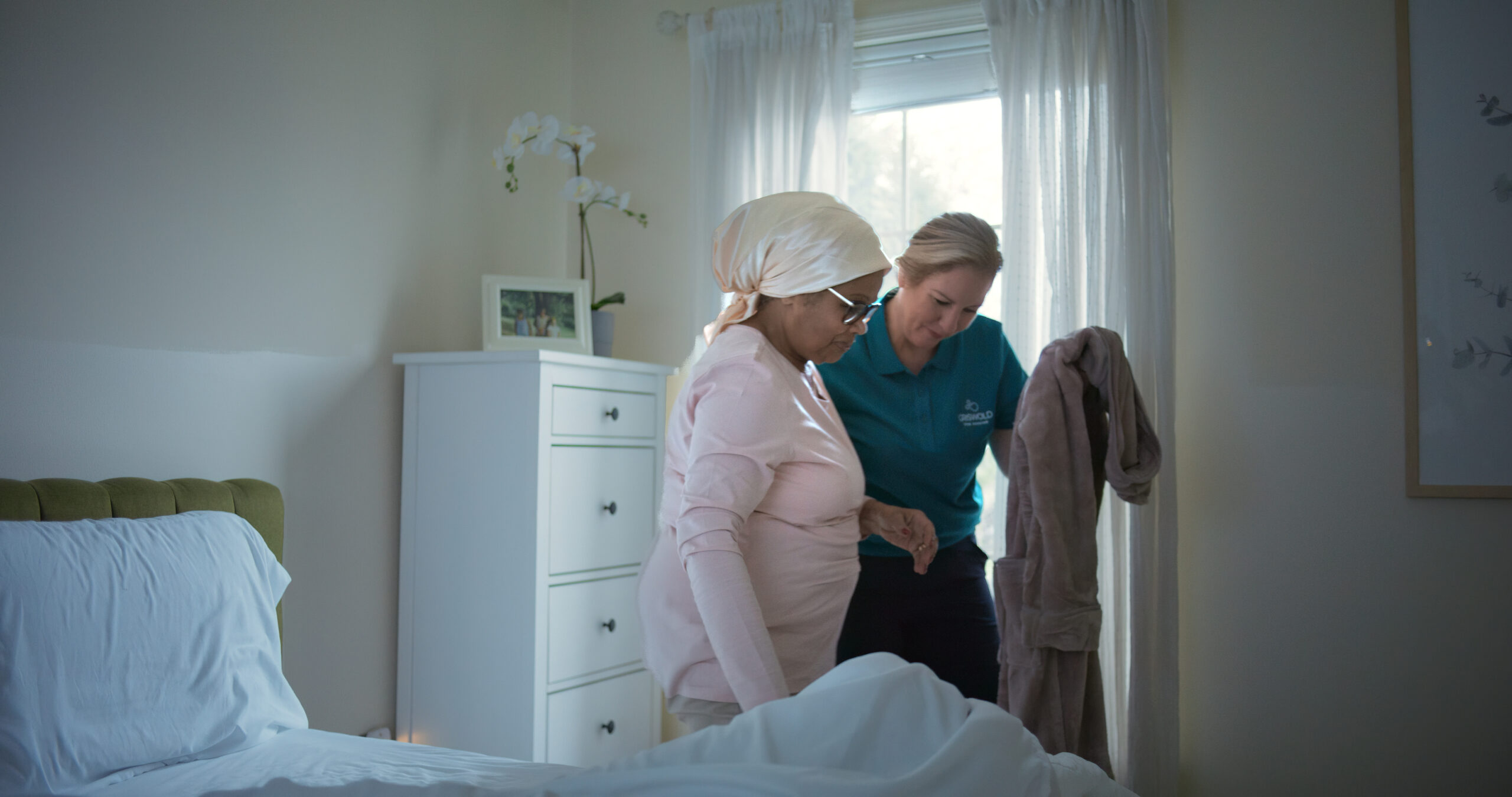
- Rely on a Caregiver: Consider having a trusted caregiver assist with daily activities, mobility, and other tasks to help prevent falls and maintain safety
How Griswold can Help
Falls and fractures can be serious, but taking the right precautions can make a meaningful difference. If you or an aging loved one needs extra support with mobility, daily routines, or maintaining a safe home environment, Griswold Home Care for Greater Mission Viejo is here to help. Our dedicated caregivers provide attentive, individualized care designed to promote safety, independence, and confidence at home.
In addition, Griswold offers standardized screening to assess the grip strength and physical state of our clients, which helps us to know the risks ahead of time so we can take action and apply preventative care early on. This assessment is completely free, so book a demo and reduce your fall risk today.
Subscribe
Date: September 29, 2026
Category: