
Preventing Falls in Brookhaven, Newtown Square, Glen Mills, Garnet Valley
Category:
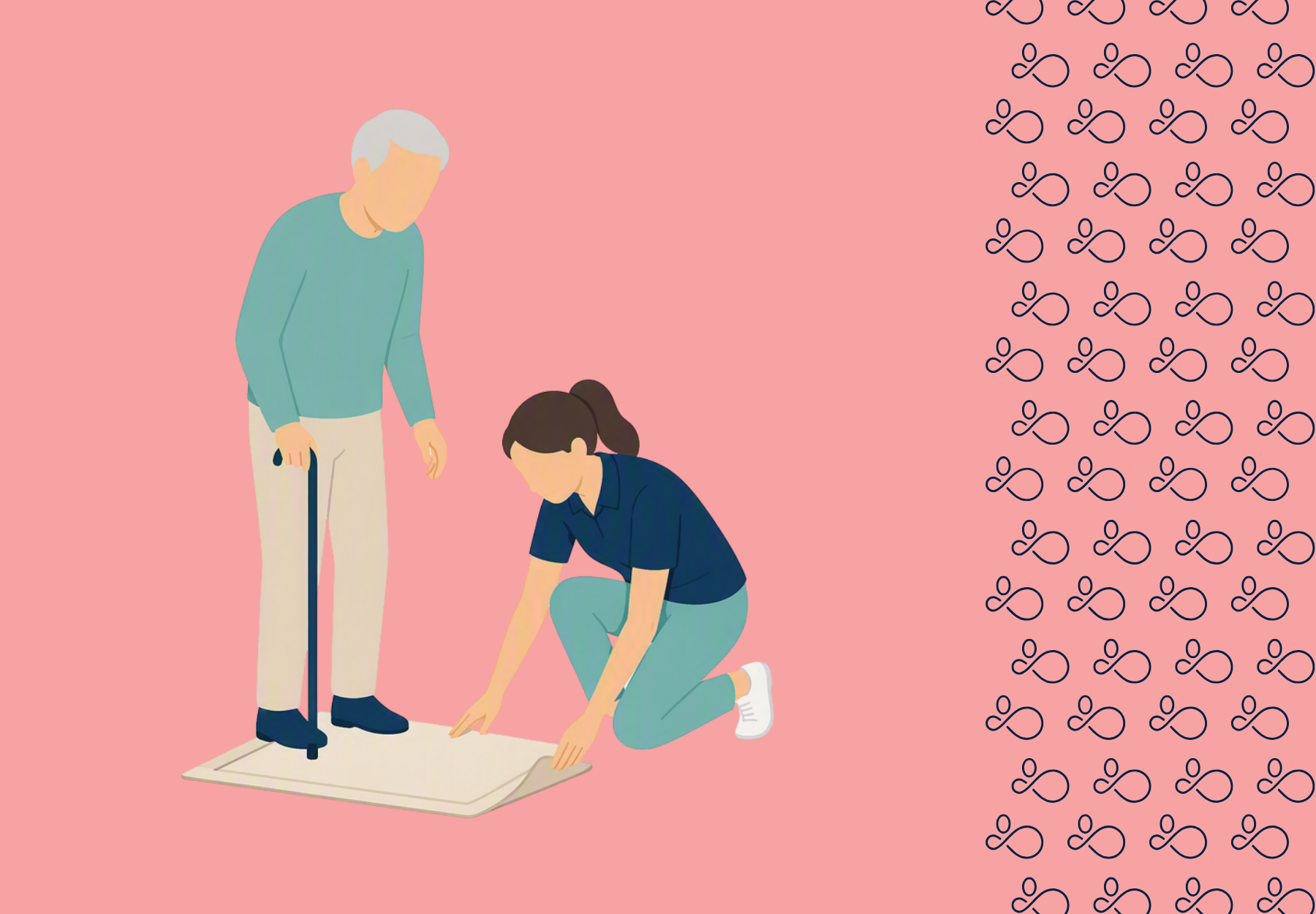
More than 25% of older adults have a fall each year.
September is National Falls Prevention Awareness Month! The month culminates in National Fall Prevention Awareness Week starting Monday, September 21 through Friday, September 25. In honor of this holiday, we’re reviewing the risk factors that can lead to falls. You’ll also learn about our fall prevention and recovery support services. Finally, we’ll introduce you to Able Care and tell you about our free fall risk screenings.
Who is at Risk of Falling?
The National Institute on Aging states that the following factors can increase the risk of falling:
- Age-Related Changes: The process of aging impacts things like muscle mass, balance, blood pressure, eyesight, hearing, and reflexes.
- Health: Conditions and impairments like dementia, heart disease, and thyroid problems increase the risk of falling.
- Medication: Certain medications can cause dizziness and confusion.
- Safety Hazards: Clutter left in walkways can be a tripping hazard. Also, obstacles that block walkways and stairs outdoors.
Griswold Fall Prevention & Recovery Support
Our team is here to help maintain independence and prevent falls. We’ll help improve your home safety – we can help with light housekeeping and simple safety features. We can help your loved one out of bed or up from their seat. We’ll assist with walking and mobility, as well as active range-of-motion exercises.
Also, we can administer a falls risk screening in under 5 minutes. Using Able Care’s GripAble Sensor, we can measure four metrics:
- Grip Strength: An indicator of overall strength and resilience.
- Sit-to-stand: A chair stand gives us insight into lower-body strength. Decreased strength can make it hard to stand up safely.
- Gait speed: Walking pace might affect independence.
- Timed Up and Go: Used to observe balance and mobility.
After the assessment, you will receive a risk score and risk report. Then, we will continue to monitor data and track trends. If you or your loved one is flagged as a fall risk, we’ll discuss next steps together.
What Else Can I Do to Prevent Falls?
- Exercise: If you’re risk of falling is low, and you’re able to stand on your own, certain movements can help strengthen your balance. Sit-to-stand builds leg strength, body mechanics, and balance. All you need is a chair that doesn’t slide or roll around. Another example is a series of exercises that directly target balance. You’ll stand with your feet together, feet apart, on one leg, and with your eyes closed.
- Footwear: Foot pain, reduced flexibility and strength, nerve damage, bunions, and toe deformities increase the risk of falling. When buying shoes, check that they have a stable heel. Opt for shoes with laces or straps. Certain features can prevent slipping, like textured soles and beveled heels. Let your doctor know about any foot problems or pain.
- Home Safety: If you have clutter or throw rugs blocking walkways, make sure to clear the way. Make sure all stairs are cleared off, too. Replace any missing lightbulbs and install nightlights. In the bathroom, you can place non-slip mats or treads in your tub or shower. Use a shower seat to avoid standing on a wet surface for long periods of time.
Who Is Griswold?
In addition to fall prevention and recovery support, we also offer care around-the-clock. With live-in care, your Griswold Caregiver can provide consistent and ongoing support. If you don’t want someone living in your home but need care full-time, we also offer 24-hour care. Overnight care is another great option.
As mentioned in the title, we can provide services in areas like Brookhaven, Newtown Square, Glen Mills, and Garnet Valley. We also serve the entirety of Delaware County and some areas in Philadelphia.
Subscribe
Date: September 17, 2026
Category: