
Preventing Falls in Fort Lauderdale
Category:
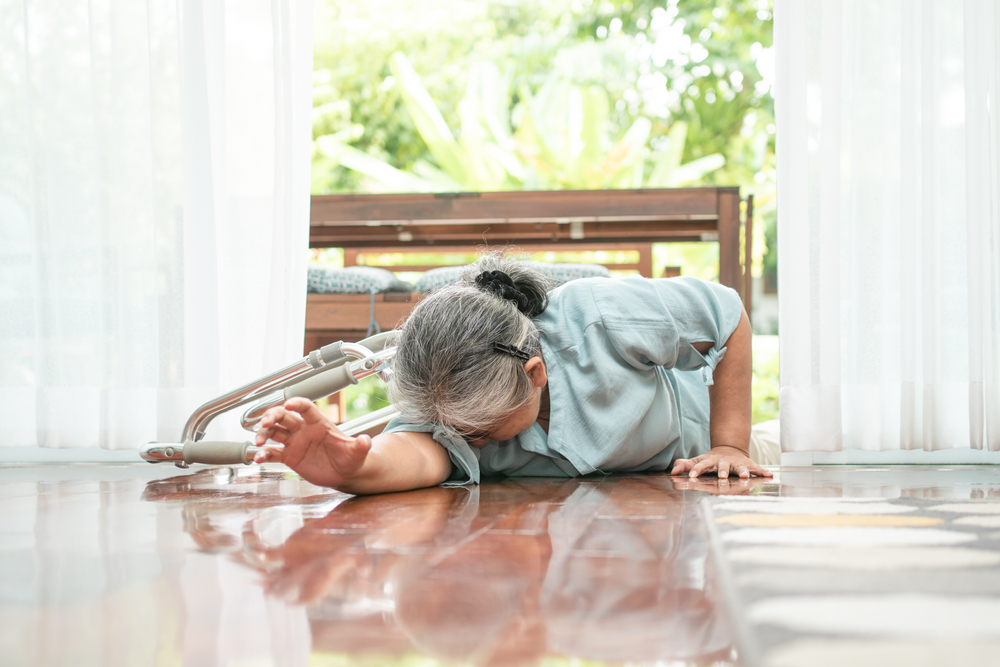
Did you know that falls are the leading cause of injury in adults over 65?
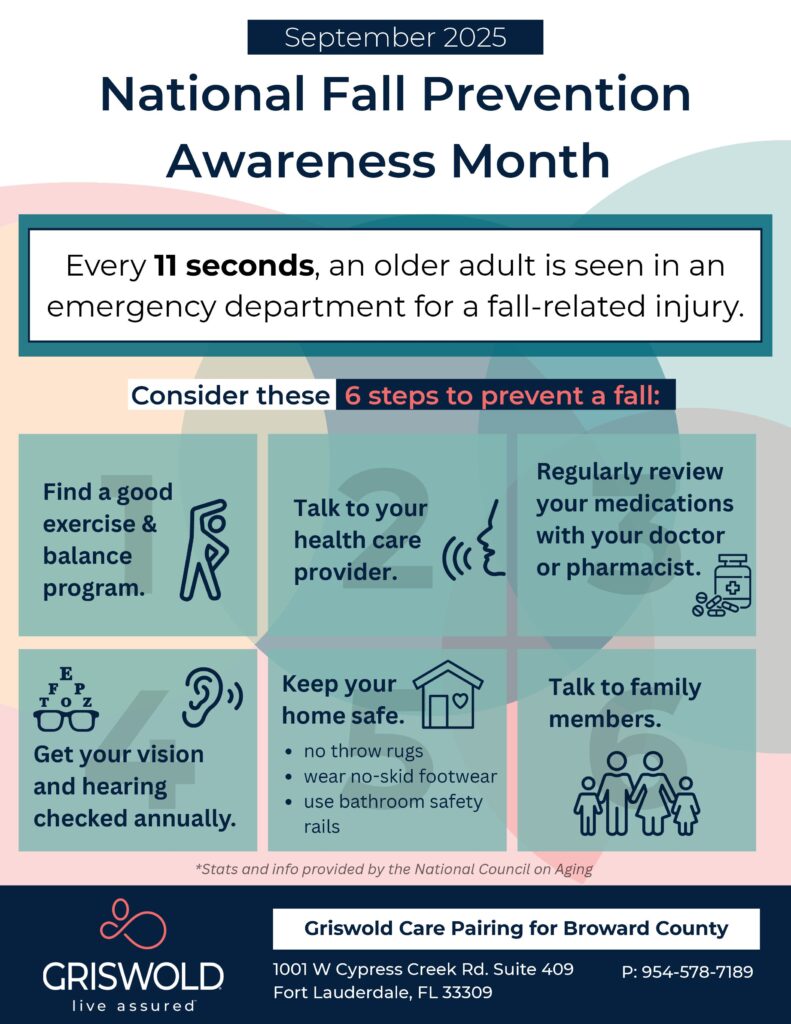
September marks the start of National Falls Prevention Awareness Month. Every 11 seconds, an older adult is seen in an emergency department for a fall-related injury. These can include bone breaks, bruises, and traumatic brain injuries, to name a few. With that in mind, there are many ways to lessen the chance of falls, whether in your own home or while out and about. Read on to learn about brain injuries that can occur from falls and steps you can take to help prevent falls.
Brain Injuries
There is a variety of different brain injuries that may occur as a result of a fall. This includes concussions, contusions, and penetrating injuries. Concussions, also known as a mild traumatic brain injury (mTBI), are caused by an impact trauma or sudden movement change. Common symptoms include dizziness, headaches, blurred vision, and nausea. Contusions are a type of bruise on the brain caused by something striking the head, which can lead to bleeding and swelling in the brain. Finally, a penetrating injury occurs from the impact of a sharp object that may force fragments of said object into the brain and leave an open wound.
Tips to Prevent Falls
While it may be impossible to completely prevent falls from occurring, there are many things you can do today to significantly minimize the risk of one occurring.
- Maintain regular physical activity – this helps strengthen your muscles, improve balance and coordination, and improve flexibility. Some light activities that could be right for you include walking, water aerobics, or tai chi.
- Get your sight and hearing checked – vision and hearing are vital for understanding the environment around you. If you suffer any loss in vision or hearing, it can increase your risk of falling. Regular checkups for both of these are vital to help you better understand your fall risk.
- Review medication side effects – speak with your doctor about the medications you are taking. Some may cause symptoms that make you more inclined to a fall. These include dizziness, drowsiness, or grogginess. Common medications that may cause those include sedatives, antihistamines, and some antidepressants.
- Take vitamin D supplements – taking vitamin D daily can reduce the risk of older adults falling by 19%, per the Journal of NeuroEngineering and Rehabilitation.
- Choose the right footwear – wearing shoes that are not comfortable or improperly sized can greatly increase your risk of falling. High heels, slippers, and shoes with slick bottoms all can make you fall more easily. Instead, try sturdy, flat shoes with nonskid bottoms.
Preventing Falls in the Home
There are also many methods to help prevent falling while in your home.
- Avoid uneven surfaces – know where in your home uneven flooring or carpeting may be. Try to also keep walkways clear of clutter.
- Keep adequate lighting – an easy way to help minimize falls is to ensure your home is well-lit especially as you are moving throughout the day.
- Stay clear of ladders and stepstools – using these tools increases the risk of falling. If you are already at risk of falling, consider calling a friend or family member for help if you need to use a ladder or stepstool.
- Install handrails or railings – adding these support tools in common fall areas, such as stairs and bathrooms, can go a long way in reducing the odds of a fall occurring.
Griswold Can Help
Worried about falling at home? In-home care might be the solution you are looking for. If you are living in Pembroke Pines, Coconut Creek, Fort Lauderdale, or the surrounding area in Broward County, give us a call today! We’d be happy to talk about how our referred caregivers can help minimize your risk of falling. We have many care services, including companionship care, 24-hour care, and respite care.
License #: NR30211028
Subscribe
Date: September 11, 2025
Category: