What is Normal Age-Related Memory Loss?
Category:

Beginning to notice memory problems in seniors often comes with the assumption that you’re seeing the early signs of Alzheimer’s disease. However, there are a number of other common medical conditions that can lead to memory loss in older adults. But how can you tell what is normal age-related memory loss vs. signs of a deeper underlying issue?
In this post, we’ll explore causes of memory deterioration aside from dementia and help you understand which types of memory loss are a normal part of the aging process vs. when you should seek help.
Is Memory Loss a Normal Part of Aging?
Memory loss is an unfortunate, but often unavoidable part of the aging process. After the age of 65, more than 40% of adults will experience some form of memory loss, but only an estimated 5% to 8% of people will experience dementia.
As we age, our brains go through changes that can cause problems with memory retrieval. Specifically, blood flow and brain cell communication usually decline with age, and regions of the brain associated with learning and complex functions see a decrease in activity.
What is Normal Age-Related Memory Loss?
Normal age-related memory loss is usually categorized by problems with memory retrieval. Seniors often report noticing that they don’t retain information as well as they used to or find that it takes them longer to recall information that they feel they should know off-hand.
Examples of normal age-related memory loss include:
- Episodic Memory – includes the ability to recall personal experiences and recent events. Studies show that episodic memory remains stable into middle age, with a noticeably sharper decline for seniors.
- Semantic Memory – includes general knowledge of facts, and vocabulary. Unlike episodic memory, semantic memory may increase into middle age with declines being smaller and occurring later in life.
- Working Memory – includes short term memory and the ability to manipulate information. Studies show that working memory declines naturally as we age, and can often be a precursor to episodic memory loss.
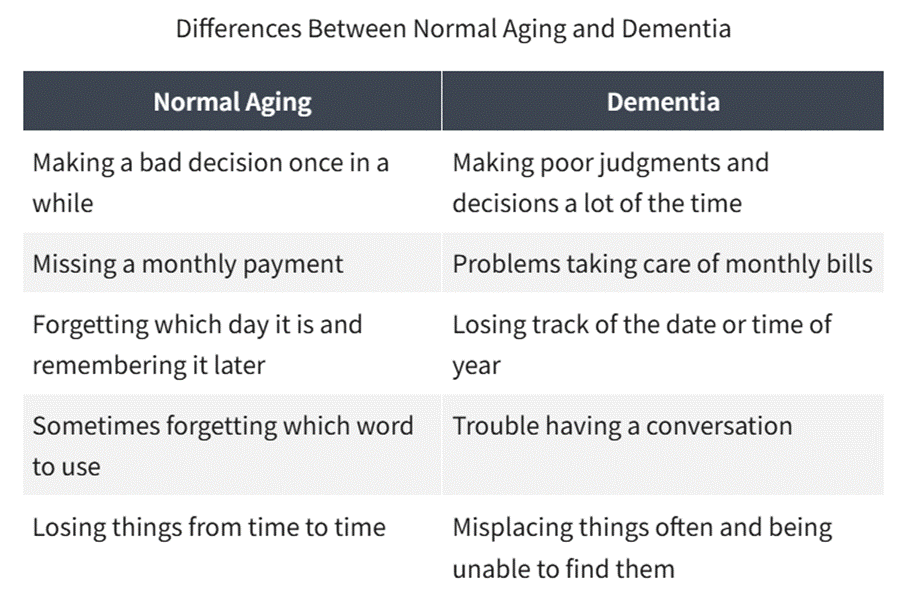
This type of short-term memory loss, sometimes affectionately referred to as a “senior moment”, is considered normal as long as it doesn’t impact a person’s ability to work, live independently, enjoy hobbies, or socialize. This graphic from the National Institute on Aging can help you understand the difference between normal age-related memory loss and signs of dementia:
Alternative Reasons for Memory Loss in Seniors
Aside from dementia, there are a number of potential reasons for memory loss in seniors including:
- Mild cognitive impairment (MCI) – a condition which causes minor issues with memory and thinking. The primary difference between MCI and dementia is the severity of symptoms. Patients with MCI may experience issues with disorientation, word loss, and memory; but usually symptoms aren’t severe enough to impact their regular routine.
- Functional Cognitive Disorder (FCD) – a condition that causes issues with memory and thinking. Unlike dementia or MCI, FCD is not caused by damage to the brain, but instead comes from the brain itself. With proper diagnosis and treatment, recovery and improvement of symptoms is possible.
It’s also worth noting that memory problems in seniors can be caused by common medical conditions or as the side effect of necessary medications. This lack of memory is usually resolved when the underlying condition has been treated, or the offending medicine is replaced or no longer necessary. Causes of short-term memory deterioration in seniors include:
- Alcohol or drug abuse
- Blood clots, tumors, or infections in the brain
- Head injury, such as a concussion
- Low levels of important nutrients, such as vitamin B12
- Medication side effects
- Mental health conditions, such as depression and anxiety; especially after a major life events
- Problems with sleep; particularly sleep apnea
- Thyroid, kidney, or liver problems
To learn more about our home care services, contact our caregiving team today at 1-800-GRISWOLD or find a Caregiver near you.
Subscribe
Date: 2026-02-25
Category: