
What Are Personal Care Services? A Complete Guide to Definitions, Duties & Examples
Category:
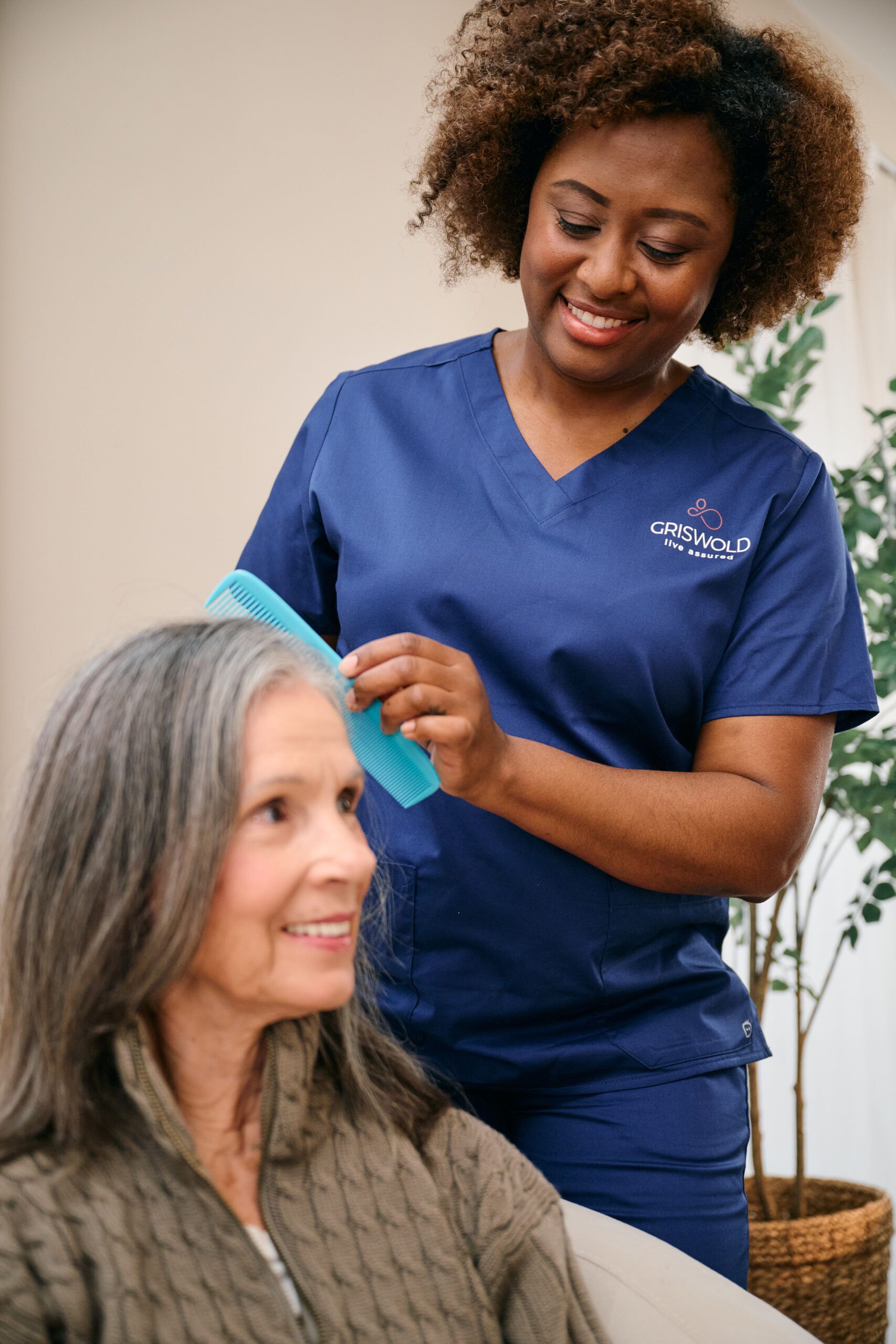
If you have spoken to your parents and elderly loved ones about what they want as they age, you have probably heard that they want to stay in their own homes for as long as possible. Hearing this can be stress-inducing, especially if your parent lives alone. Luckily, there is an option that can help your parent or loved one stay in their home – and it doesn’t mean you have to do all the work to take care of them. That option is personal care.
What is Personal Care?
Personal care is the support your parent or loved one needs to live safely and independently. It is also support for you, as knowing a personal care aide or assistant is with your loved one allows you to worry less and know your loved one is safe and happy. So, what does personal care mean?
What Are Personal Care Services?
Personal care services are hands-on, non-medical services that help seniors with everyday living. The definition of personal care refers to any non-medical task that helps an elderly person live safely while maintaining their dignity and independence as they age.
Personal Care Examples
Personal care helps with what we call Activities of Daily Living (or ADLs). Activities of Daily Living include things like hygiene, mobility, and some light household tasks. Personal care services can involve:
- Hygiene: bathing and showering, brushing teeth, toileting, getting dressed, and other routine tasks that encompass getting ready for the day
- Mobility: Getting in and out of bed or chairs safely, moving around the house, getting in and out of the car
- Daily routines: Medication reminders, meal preparation and eating
- Household: light housekeeping like vacuuming and laundry, grocery shopping and other errands, some transportation like going to and from doctor’s appointments
By definition, personal care can encompass anything a person needs in their home to help them remain independent and out of an assisted living facility or nursing home. Personal care could stay in the house with the elderly person all day or come in for a few hours in the morning and evening, when they are most needed for things like getting up and getting ready for the day and getting ready for bed.
One important note: personal care is specifically non-medical, so while a personal care aide can remind your loved one to take medication, they cannot actually organize the medicine. They cannot give injections, provide wound care or give instructions for physical therapy.
Benefits of Personal Care Services
Many, if not most, of our elderly loved ones want to stay in their homes for as long as possible. Personal care allows them to do that. Additionally, the cost is much lower than that of an assisted living facility or nursing home. Often, personal care services are covered by Medicare or Medicaid. Individual states also often have personal care programs to help elderly residents and their families.
Personal care services can also be personalized to provide exactly as much or as little as the senior needs. They are all meant to improve quality of life for the elderly person, keeping them physically safe and supporting their mental and emotional health as well.
To learn about our home care services, contact our caregiving team today at 1-800-GRISWOLD or find a Caregiver near you.
Subscribe
Date: 2026-09-10
Category:


