Vision Changes with Age: Common Eye Diseases in Elderly Adults
Category:

Needing glasses as we age feels like a fact of life.
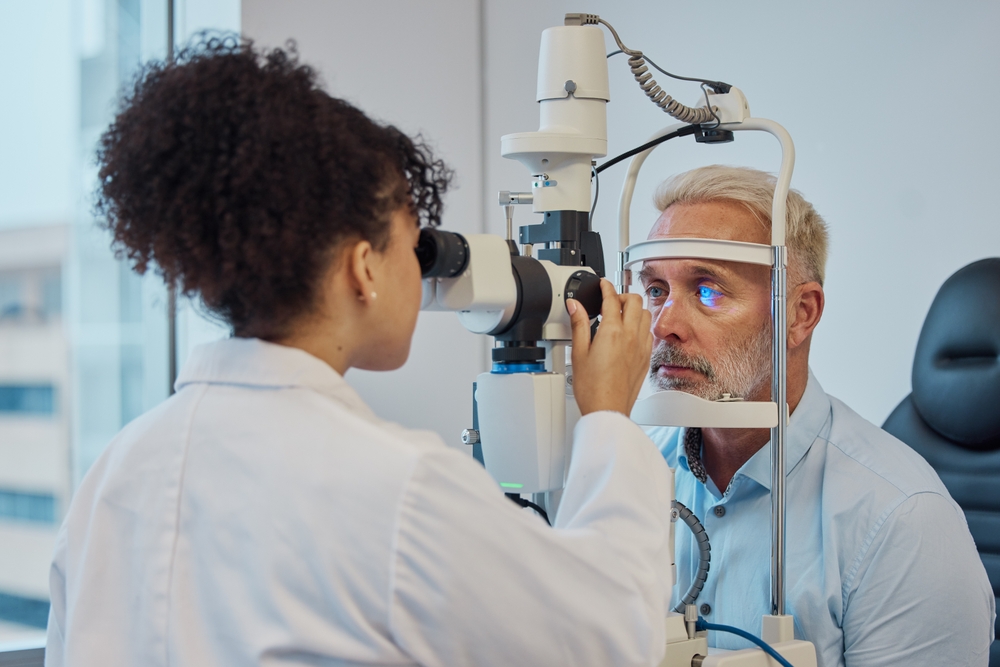
In fact, it is normal that our vision changes with age, and we can expect to add “shopping for the most stylish glasses” to our to-do list sometime after we reach age 50. Luckily, with regular check-ups from optometrists or ophthalmologists, many eye problems associated with old age can be prevented or slowed with simple treatments.
Why Does Eyesight Get Worse with Age?
We know our bodies change as they age, and some of these changes weaken our vision and eyes. Eye problems in seniors can be caused by:
- Tear ducts producing less tears leading to dry eyes
- Proteins in the lens of the eye begin to break down, which can lead to cataracts
- Vitreous, the gel-like fluid in the center of the eye, starts to shrink which can cause floaters or retinal-detachment
- The lens of the eye becomes less flexible, leading to reduced near vision – otherwise known as the reason you suddenly need reading glasses.
Common Eye Diseases in Elderly
These elderly vision problems become more likely after age 60. Early detection is key to stopping them in their tracks – or at least slowing them down – to maintain the best vision possible for as long as possible.
- Age-Related Macular Degeneration (AMD) is a disease that affects the macula, the center of the light-sensitive retina at the back of the eye. Despite its small size, the macula is powerful. It is responsible for seeing fine details and colors. Activities like reading, driving, and recognizing faces require the central vision controlled by the macula. Peripheral vision, though, remains unaffected. Though AMD cannot be completely cured at this time, it can be treated and slowed, and technology continues to advance and find new ways to improve the vision of those with AMD.
- Cataracts are the cloudy areas in the normally clear lens of the eye. Early signs of cataracts include cloudy or blurred vision and difficulty seeing at night. Colors also tend to appear muted. Cataracts can be corrected with a surgery that removes the cloudy lens from the eye and replaces it with a new, artificial lens.
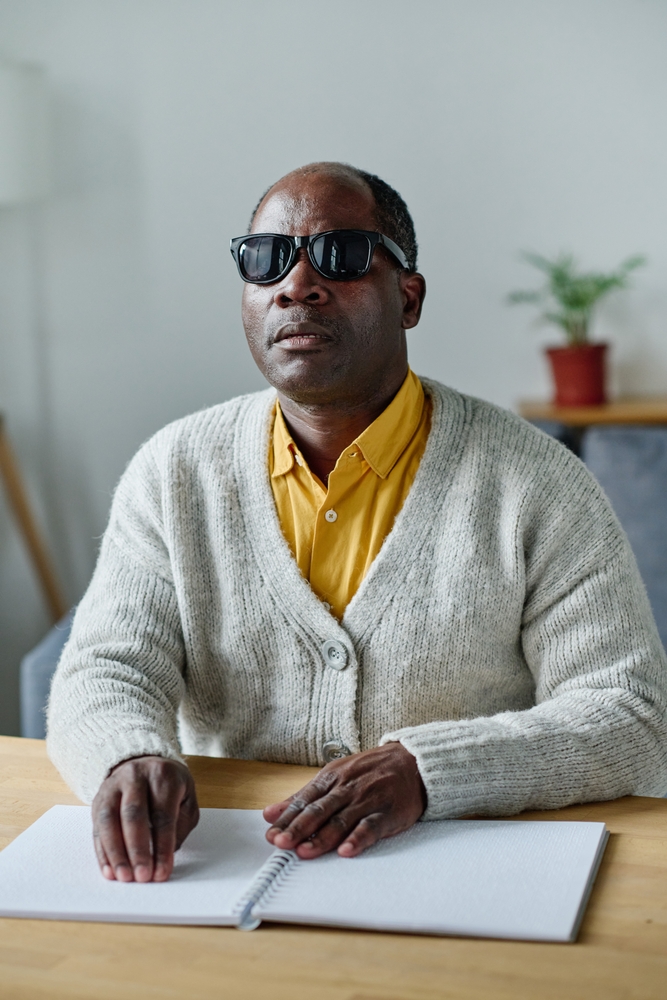
- Glaucoma refers to a collection of eye diseases that affect the optic nerve. Glaucoma is typically a result of fluid around the eye not draining properly and damaging the optic nerve. Glaucoma is considered a “sneaky” eye disease, as a patient generally does not know they have it until they lose a significant amount of peripheral vision. Without intervention, glaucoma can lead to total blindness
- Diabetic eye disease, also known as diabetic retinopathy, arises from damage to the blood vessels around the retina due to diabetes. The damaged blood vessels leak blood and fluid that leads to the retinal tissue to become inflamed and cloud vision. Symptoms often include double vision and involuntary eye movements.
- Dry eye is a common eye problem in old age, as our bodies naturally produce less tears as we age. The most common symptoms of dry eye are a burning, gritty, or sandy feeling in the eye, blurred vision, or watery eyes as the eyes try to make up for the lack of moisture.
In addition to glasses, there are many ways to treat most of these conditions, including various magnifiers. While vision changes may be a fact of aging, it is not one that just needs to be tolerated. Be sure to see your eye doctor regularly to stay aware of vision changes and work to slow any potential issues.
Subscribe
Date: 2026-04-14
Category: