
Spousal Caregiving: Elderly Caring for Elderly
Category:
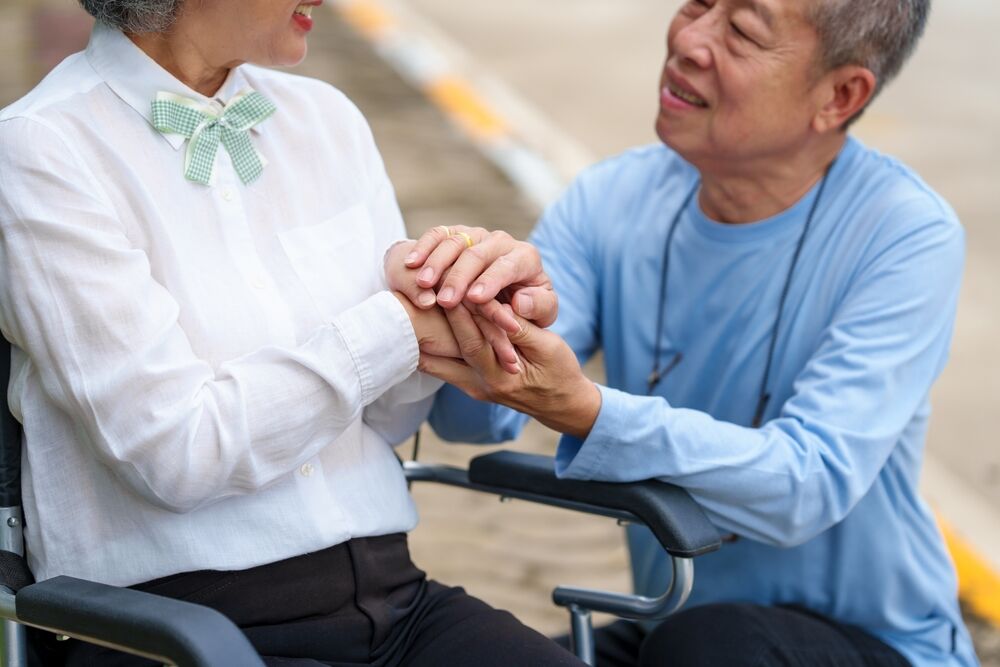
Age comes for us all, and eventually, every senior will need some sort of additional support.
For many older adults, this may look like moving into an assisted living facility, living with a relative, or hiring in-home care services. For others, it may mean relying on a healthier “caregiver spouse” who can fulfill the same duties as a nurse or other professional caregiver.
While this may seem appealing at first, caregiving for a spouse comes with a number of emotional challenges and can put real stress on a relationship. In this post, we’ll explore the pros and cons of spousal caregiving and the elderly caring for the elderly.
Download Your Guide to Welcoming a Caregiver
Spousal Caregiving: Can Your Spouse be Your Caregiver?
Seniors who aren’t ready to leave their homes behind may choose to practice what’s called “aging in place” or adapting their existing home to be a safe permanent dwelling during their senior years. For married couples looking to stay in their home, becoming a caregiver spouse may be an attractive option if only one partner requires in-home care. Money that would otherwise be spent on in-home care services could instead go toward making necessary upgrades to adapt your home for aging in place.
In some cases, a caregiver spouse can even get paid by the government to provide necessary care, including help with daily activities, personal care, providing medicine, cooking meals, or cleaning the home. You can find more information on these programs by contacting your state’s Medicaid office. If you aren’t eligible through Medicaid, a local Area Agency on Aging (AAA) may be able to help. Additionally, long-term care insurance policies, veterans’ programs, and state programs offering paid family leave may all offer alternative routes to payment for caregiver spouses.
The Challenges of Caregiving for Your Spouse
Caregiving for your spouse comes with a host of unique emotional challenges. A strong marriage is made up of equal partners, but spousal caregiving can quickly create an imbalance in even the strongest relationships. Caregiver spouses often report feeling like they’re a “partner without a partner” as they are forced to take over daily household tasks that used to be shared responsibilities.
Others report feelings of isolation because the caregiver feels as if they can no longer talk openly with their spouse about how the imbalance is affecting them. For many spousal caregivers, there is a feeling that their life now wholly revolves around managing their spouse’s illness rather than enjoying the intimacy and mutual support a marriage should provide.
Avoiding Caregiver Resentment With Your Spouse
While being a caregiver for your spouse may initially seem appealing, it can easily lead to what’s known as “caregiver resentment” or “caregiver burnout” as the grief and pressure of taking full responsibility for their partner’s needs builds. Being responsible for full-time spousal caregiving can exacerbate feelings of mourning the marriage that you used to have. This is especially true for relationships with a significant gap in age, where one partner is caring for a much older spouse.
The key to avoiding caregiver resentment between spouses is open and honest communication before the pressure starts to build. Couples should discuss the harsh realities of spousal caregiving and how prepared each partner is physically, mentally, and emotionally for becoming a caregiver spouse. If either party has any doubts, alternatives like in-home care services or relying on younger, able-bodied family members should be seriously discussed.
To learn more about our home care services, contact our caregiving team today at 1-800-GRISWOLD or find a Caregiver near you.
Subscribe
Date: 2026-05-27
Category:

