Interstitial Cystitis in Elderly Adults
Category:

Do you ever notice that as you age you seem to be needing the bathroom more often?
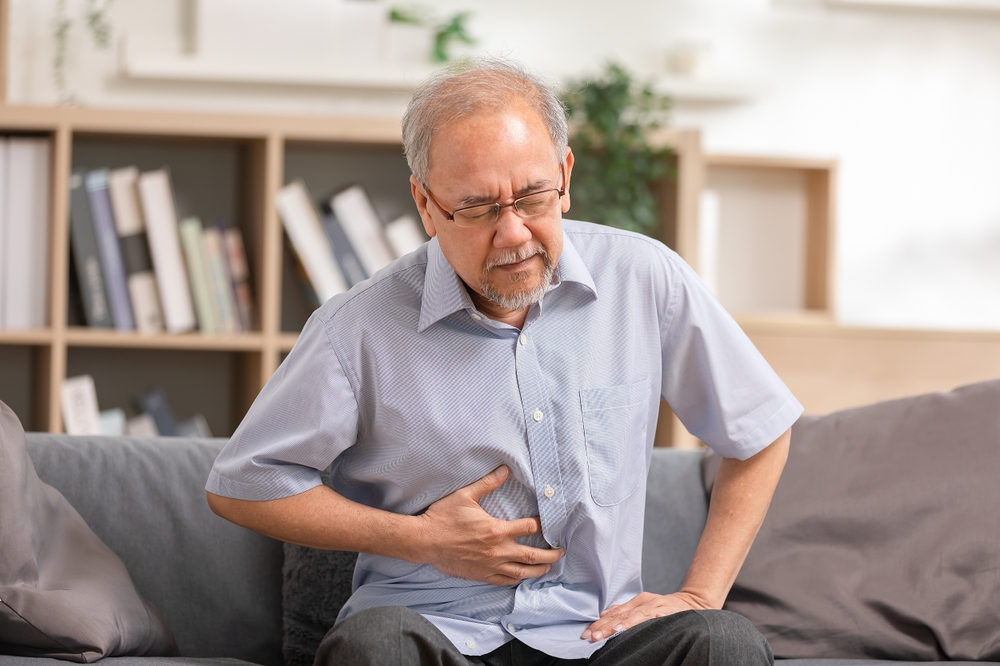
Maybe you are waking up during the night with the need to urinate, or maybe you are experiencing bladder pain that goes away after you urinate. Perhaps you struggle with uncomfortable bladder pain or pressure.
Experiencing bladder or pelvic pain, or having difficulty urinating, are not simply challenges that come along with getting older. Many of these symptoms can be cured or managed once the root cause is clear. While these symptoms can be caused by a number of things, as new research has emerged, interstitial cystitis in older women is starting to be diagnosed more often.
Download Our FREE Path to Care Guide
What is Interstitial Cystitis?
Interstitial cystitis, often called painful bladder syndrome, is a chronic condition causing bladder pressure, bladder pain, and pelvic pain. Initially interstitial cystitis was thought to impact mainly young women, but new research has shown 38% of patients are diagnosed after age 60. When you have interstitial cystitis, the walls of your bladder become irritated and inflamed, leading to pain which can range from mild to severe.
Symptoms of interstitial cystitis can include:
- Pelvic pain
- Persistent, urgent need to urinate
- Frequent urination of very small amounts
- Pain when the bladder is full and relief after urinating
Interstitial cystitis in elderly adults can occasionally have different symptoms, which include nocturia, or waking up multiple times at night to urinate and urinary incontinence.
Treatments for Interstitial Cystitis
As the symptoms of cystitis don’t sound very pleasant, you may be wondering, “can interstitial cystitis go away?” Unfortunately there is no cure for interstitial cystitis, but there are treatments that can relieve symptoms. The condition can also go through periods where it is less inflamed and painful.
Some treatments can help manage the pain associated with interstitial cystitis. Not all treatments work for everyone, so you should work with your primary care provider to find something that works for you. Some of the treatments that may be used are:
- Physical therapy to relieve pelvic pain
- Oral medications including things like anti-inflammatory medication, antidepressants to relax the bladder, or antihistamines to reduce the need to urinate.
- Nerve stimulation called TENS (transcutaneous electrical nerve stimulation) which can strengthen the muscles which control the bladder or trigger the release of chemicals that reduce pain
- Nerve stimulation of the sacral nerve, the nerve that links the spinal cord and the bladder. Stimulating this nerve can reduce the feeling that you urgently need to urinate.
- Bladder distention, a procedure in which the bladder is stretched with water
While interstitial cystitis can affect quality of life, it does not impact life expectancy, and almost all patients can live full, active lives while managing the condition. Though it may not be a fun conversation, don’t be afraid to speak with your doctor about pain or other urinary problems. They may refer you to a urologist for additional support, but ultimately there are ways to treat and manage the symptoms, so they have less of an impact on your day-to-day life.
To learn about our home care services, contact our caregiving team today at 1-800-GRISWOLD or find a Caregiver near you.
Subscribe
Date: 2026-02-12
Category: