
How to Choose a Pet for an Elderly Person
Category:
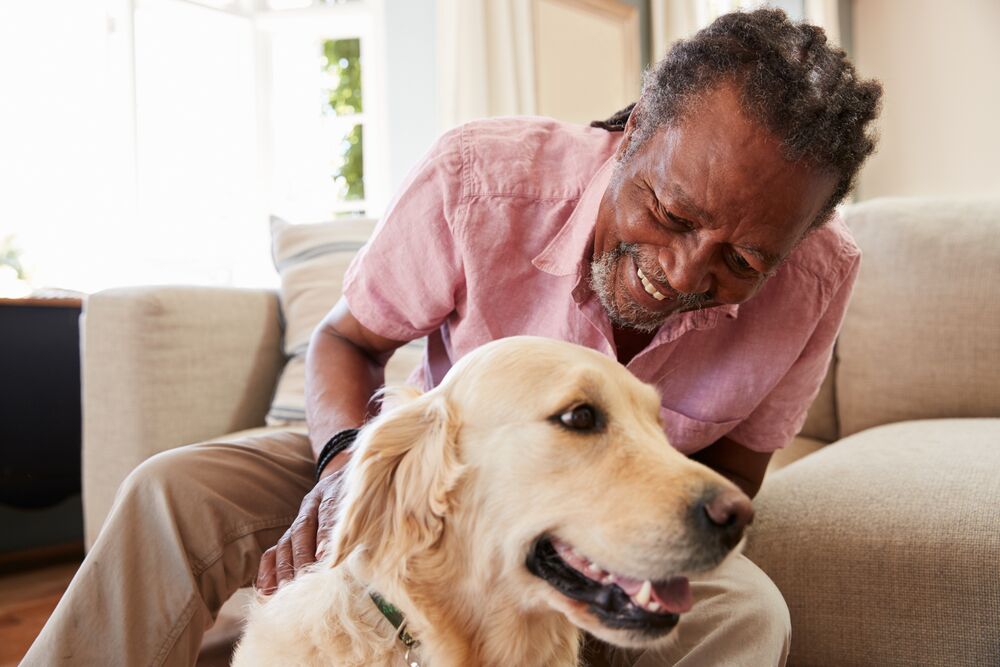
Having a pet is a very special relationship.
Research shows that people who have positive relationships with animals often have lower stress, reduced feelings of loneliness, and an overall higher quality of life. This is especially true for seniors, who often struggle with issues like depression, social isolation, and chronic disease.
However, pets are also a major responsibility that requires time, money, and a certain amount of physical ability. This is why choosing the best pet for an elderly person requires a bit of time and research. In this post, we’ll help you understand how to choose the right pet for an elderly person, and explore some of the best pets for seniors.
Download Our FREE Guide to Home Safety
Benefits of Seniors Keeping Pets
Studies have shown that pet owners enjoy several health benefits, many of which are particularly valuable to seniors:
- Decreased levels of cortisol and stress
- Decreased loneliness
- Improved cardiovascular health and blood pressure
- Improved mood, emotional health, and overall life satisfaction
- Increased social interaction
- Increased opportunity for physical activity and exercise
For decades, research has found that seniors who own pets report lower rates of depression. A 2023 study that followed nearly 8,000 older adults who lived alone found that having a pet was linked to a slower rate of cognitive decline, particularly with verbal cognition, memory, and fluency.
How to Choose a Pet for an Elderly Person
When choosing the best pet for an elderly person, there are a few major considerations to keep in mind:
- Age, Size & Temperament: When choosing a breed, avoid dogs or cats that are known for being high-energy, noisy, or otherwise difficult to manage. For example, if your senior lives in a small apartment, a large breed dog may not be a good fit. Similarly, while a senior may have no trouble caring for an older and well-behaved animal, training a puppy or kitten may simply require too much energy.
- Assistance: Ask whether your senior will require assistance to care for their pet. For example, they may not have any issue with feeding their cat daily, but taking a trip to the pet store to purchase and carry home a 20-pound bag of cat food or litter may require assistance.
- Budget: Between the cost of food, toys, and vet visits, pet care can become expensive quickly. For dog owners, additional expenses like grooming and training may also be required.
- Care Requirements: Some pets may require extra care that can prove difficult for seniors. For example, a dog breed like the Golden Retriever requires constant brushing to help manage their shedding, which may prove difficult for a senior with limited arm strength.
- Lifestyle: Ask if the pet that your senior wants fits their lifestyle. For example, if your senior likes to travel a lot and will need to leave their pet at home for long stretches of time, high-energy breeds that become aggressive or destructive when bored won’t be a good fit.
- Limiting Fall Risk: Every year, millions of seniors will fall, and the health consequences can be serious. Cats or small dogs that run through feet while waiting for a meal, or large dogs that can pull someone off balance may all increase a senior’s risk of falling.
- Mobility Level: Many breeds of dogs and cats are high-energy and require a lot of exercise to remain healthy and well-behaved. For example, an older adult with limited mobility isn’t going to be able to keep up with a high-energy dog that needs hours of exercise every day, whereas playing with a cat toy for 30 minutes a day might be no problem.
Dogs for Elderly People
Dogs are known for being an incredible source of unconditional love. Beyond that, they’re great for encouraging a more active lifestyle and helping older adults stay social as they age.
When choosing dog breeds for the elderly, look for dogs that are known for being calm, easy to train, and having low to moderate energy levels.
Cats for Elderly People
Cats are known for their curious nature, entertaining antics, and extremely individualistic personalities. Cats are a great choice for seniors who are limited in their mobility because cats are much easier to play with for seniors who can’t throw a ball or play tug of war. Research shows that cats may actually provide slightly higher benefits to their owners than dogs, with one study finding that cat owners had a decreased risk of cardiovascular disease compared to other pet owners and another which found homebound seniors who own cats had lower levels of depressive symptoms compared to dog owners.
When choosing cat breeds for the elderly, look for cats that are known for being affectionate, calm, and having low to moderate energy levels.
To learn more about our home care services, contact our caregiving team today at 1-800-GRISWOLD or find a Caregiver near you.
Subscribe
Date: 2026-04-29
Category:


