Can an Elderly Person Die from Depression?
Category:
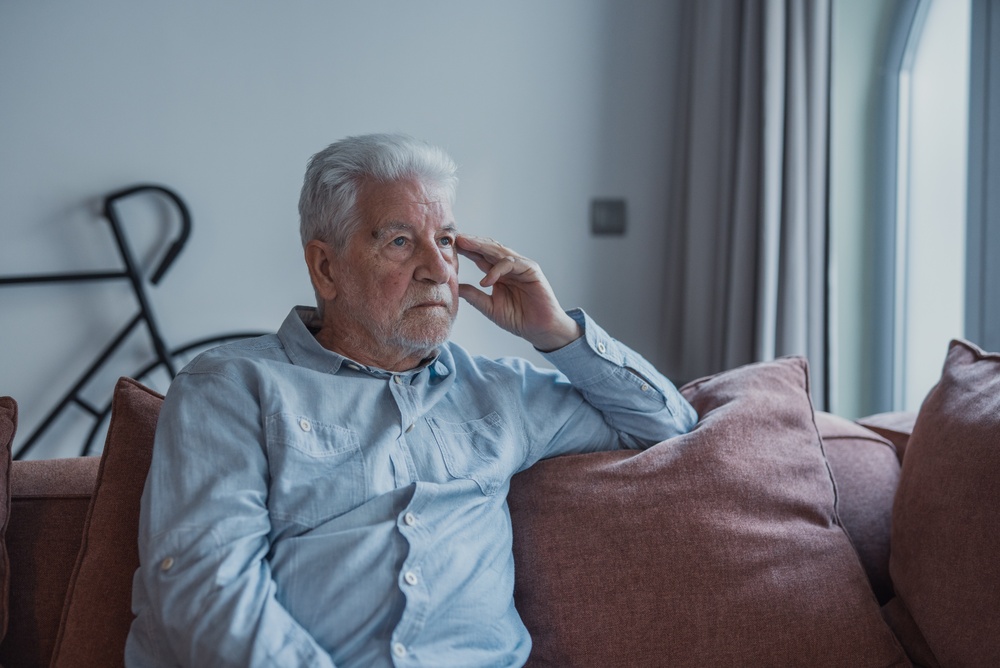
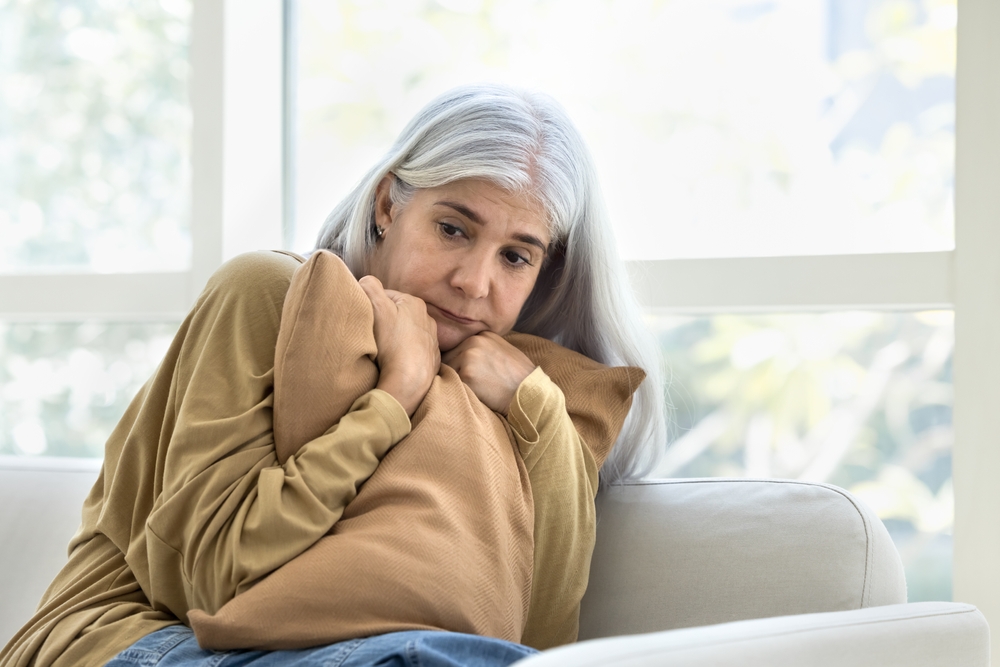
When we think of diseases and challenges that impact the elderly population, we don’t often think of depression. Therefore you may be surprised to learn that approximately 4% of older adults struggle with depression. But can an elderly person die from depression? The short (and concerning) answer is yes.
Depression in Elderly Adults
Everyone has moments of sadness and depression – it is a normal part of the human experience. When those feelings occur more often than not, or seem extremely difficult to overcome, they become a bigger issue. Depression in elderly adults is linked to three main factors:
- Health challenges and chronic illnesses – heart disease, diabetes, other long-term illnesses and chronic pain can understandably contribute to depression.
- Loneliness and social isolation – as family grows older and gets busier, friends and loved ones pass away, or mobility issues make it harder to make social connections, feelings of depression can increase.
- Grief and major life changes – while retirement is generally a positively-anticipated experience, major life changes that alter long-standing routines can have a negative impact on mental health.
Can a Person Die from Depression?
All aspects of our bodies are connected. Our physical, mental and emotional health all impact each other. Though it almost feels counter-intuitive, studies have shown a link between depression and heart disease and stroke in older adults. Those same studies also suggest links between depression and death from cancer and falls in older adults. So while depression itself does not necessarily cause death, it does make it more likely for other chronic health conditions to lead to death.
Depression is also known to weaken the immune system. Depressed individuals are not usually keeping up with their self-care routines, and by self-care we don’t mean massages and a day at the beach. Self-care in this context refers to hygiene, eating healthy foods (or eating at all), taking medications, and going to doctor’s appointments.
Depression also leads to a higher suicide risk. Feelings of loneliness, helplessness and despair can become overwhelming, and older adults are unlikely to share these feelings with friends and loved ones in order to get support.
Signs of Depression in the Elderly
To be considered chronic depression, as opposed to those normal feelings of sadness mentioned earlier, symptoms last around two weeks or more. Some of the symptoms to look out for include:
- Feelings or sadness or apathy
- Irritability
- Fatigue or low energy
- Constantly feeling guilty or worthless
- Loss in interest in activities that were previously enjoyed
- Cognitive decline
- Digestive or physical problems that don’t get better with treatment
If you suspect your loved one (or yourself!) is struggling with depression, speak with a doctor or primary care provider as soon as possible. Some medications can cause depression-like symptoms, and adjusting those can help. There are many different medication options that can treat depression as well as talk therapy with a counselor or psychologist.
Depression is not a choice – a person cannot simply “decide not to be depressed.” Steps can be taken to mitigate or attempt to prevent depression, like getting enough sleep, being social, and eating healthy foods. However, depression is also an illness just like a broken leg, and it doesn’t just get better on its own. Don’t be afraid to talk about it and get help. In the event of a crisis, the Suicide and Crisis Hotline is available 24 hours a day, 7 days a week at 988lifelone.org or by calling or texting 988 in the U.S.
To learn about our home care services, contact our caregiving team today at 1-800-GRISWOLD or find a Caregiver near you.
Subscribe
Date: 2026-07-23
Category: