
Blood Pressure Over 200 in Elderly Adult: Hypertensive Crisis
Category:
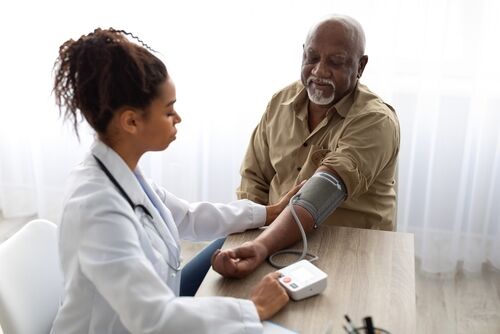
It seems most doctors take our blood pressure at every appointment, but don’t always mention what those numbers mean until they become a problem. So what do elderly people need to know about blood pressure? Does blood pressure increase with age? When should we become concerned with our blood pressure?
Blood Pressure for Elderly Adults
Normal blood pressure for a 70-year-old male is lower than 120/80 mmHg. The number is the same for a normal blood pressure for women over 70. Anything consistently at or above 130/80 mmHg is considered high blood pressure under current American Heart Association guidelines. Understanding the blood pressure guidelines for seniors can help older adults recognize when their readings require attention.
It is estimated that nearly half of the adults in the US suffer from high blood pressure, and hypertension is even more common in people over the age of 65.
Hypertensive Crisis
High blood pressure is something that can be monitored and treated, but there is a level at which immediate action must be taken. A blood pressure reading over 200 in an elderly person is dangerously high and requires prompt medical assessment. A hypertensive emergency occurs when severely elevated blood pressure causes acute organ damage. It can lead to heart attack, stroke in the elderly, and other life-threatening health issues.
High blood pressure can be tricky because there are often no obvious symptoms, and it is not generally discovered until a routine doctor visit. Once you are aware of your high blood pressure, though, you can be mindful of the following symptoms, which can indicate a hypertensive crisis:
- Anxiety
- Blurred vision
- Chest pain
- Confusion
- Nausea and vomiting
- Nosebleeds – Although nosebleeds in the elderly can have several causes, severe or persistent bleeding alongside dangerously high blood pressure warrants medical attention.
- Seizures
- Severe headache
- Shortness of breath
Those with high blood pressure should monitor their blood pressure at home. If your systolic pressure is higher than 180 or your diastolic pressure is higher than 120, wait at least one minute and take the reading again. If it remains this high without symptoms, contact a healthcare professional immediately for guidance.
If you get a high reading with symptoms, particularly those of a heart attack or stroke – numbness or weakness, difficulty speaking, chest pain, or vision changes – call 911 immediately.
Download Our Heart Health Guide
Keep track of your blood pressure medication. If you have a high blood pressure reading with no symptoms and it comes down on its own, you should still contact your doctor. You may need your medication adjusted. Using medication reminders for the elderly can help seniors maintain a consistent medication routine.
If you have other symptoms with your high blood pressure reading and go to the emergency room, a log of your medications can assist in treatment.
Causes of High Blood Pressure in Seniors
Blood pressure often increases with age, partly because blood vessels become less flexible. However, several other factors and underlying health conditions can contribute to hypertension.
Understanding the causes of high blood pressure in elderly adults can help seniors recognize potential risk factors and discuss them with their healthcare providers.
Those with conditions like diabetes or kidney disease are at higher risk for high blood pressure and should get checked regularly by their doctor.
Treatments for High Blood Pressure in Seniors
There are some simple lifestyle changes that can help keep high blood pressure under control, including limiting salt in your diet, maintaining a healthy weight, limiting alcohol consumption, and not smoking.
Following practical tips to keep your heart healthy can also support cardiovascular health and help seniors manage their risk factors.
If lifestyle changes are not enough, your doctor may prescribe medications like diuretics (often called water pills), calcium channel blockers, ACE inhibitors, or other blood pressure medications. Medications should always be taken as directed, and seniors should not adjust or stop their prescribed treatment without consulting their healthcare provider.
There are many treatments for high blood pressure to keep it under control. Working with your doctor, you can still lead a long and healthy life even with this condition.
To learn more about our home care services, contact our caregiving team today at 1-800-GRISWOLD or find a Caregiver near you.
Subscribe
Date: 2023-01-31
Category:

