
24-Hour Home Care for Seniors: Compassionate Around-the-Clock Support
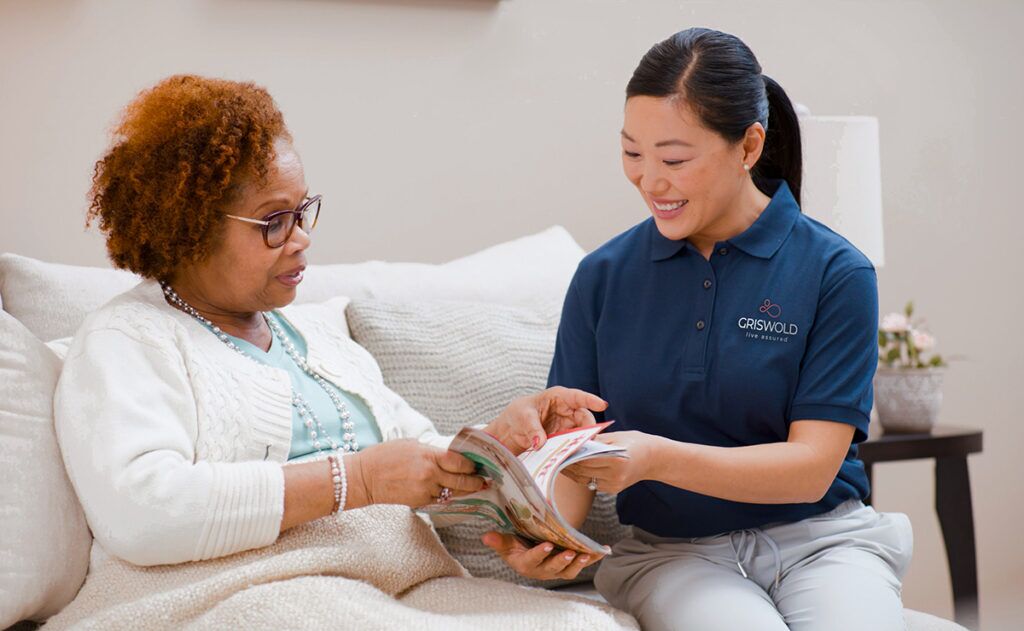
When a loved one needs help at any hour, 24-hour home care provides continuous support through Caregivers working rotating shifts. Griswold’s Caregivers help older adults remain at home with assistance tailored to their routines, preferences, and daily needs. An awake Caregiver may be available throughout the day and night, giving families confidence that support is always nearby.
What Is 24-Hour Home Care?
A 24-hour Caregiver provides continuous, non-medical support in a person’s home. Multiple Caregivers work rotating shifts, often lasting 8 or 12 hours. When one shift ends, another begins, so an awake Caregiver is available around the clock.
This structure differs from scheduled home care, which provides support during set hours. Scheduled care may be enough for someone who needs help with a morning routine, meals, errands, or personal care. Continuous care is better suited to someone who cannot safely be left alone or needs frequent assistance throughout the day and night.
Caregivers support daily activities but do not replace physicians, nurses, therapists, hospice professionals, or emergency services. Clinical services must be provided by appropriately licensed professionals.
24-hour home care services for seniors may include:
- Personal care
- Mobility assistance
- Meal preparation
- Medication reminders
- Companionship
- Light housekeeping
- Transportation
- Overnight support
The goal is to help older adults remain as safe, comfortable, and independent as possible in their own homes. Services, care models, and 24-hour care availability vary by location and state regulations.

Who Can Benefit from 24-Hour Home Care?
A diagnosis does not automatically determine the need for continuous care. Families should also consider mobility, memory, nighttime needs, home safety, and available family support.
24-hour senior care may be appropriate in the following situations:
Dementia or Alzheimer’s Disease
A person living with dementia may experience confusion, wandering, sleep changes, or difficulty completing daily routines. An available Caregiver can provide:
- Reassurance and redirection
- Support with personal care
- Meal and hydration assistance
- Help maintaining familiar routines
- Companionship
- Overnight supervision
High Fall Risk
Falls often occur while getting out of bed, walking to the bathroom, bathing, or transferring between spaces. A Caregiver may provide mobility assistance, remain nearby during higher-risk activities, and help keep frequently used areas clear. No care arrangement can prevent every fall, but regular support may reduce avoidable risks.
Recovery After Surgery or Hospitalization
A person returning home may temporarily need more help than family members can provide. Griswold Caregivers do not provide skilled nursing or rehabilitation therapy.
24-hour care can support recovery through:
- Personal care
- Dressing assistance
- Meal preparation
- Hydration reminders
- Medication reminders
- Mobility support
- Transportation
- Light housekeeping
- Help following established routines
Stroke Recovery
A stroke may affect mobility, communication, coordination, or the ability to complete daily activities. A Caregiver can support personal care, meals, transportation, companionship, and routines established by the Client’s medical and rehabilitation teams.
Parkinson’s Disease
Parkinson’s disease can affect balance, movement, transfers, eating, dressing, and other daily tasks. Continuous care may be helpful when support is needed during both daytime and nighttime hours.
Chronic Illness or Mobility Limitations
A chronic condition may not require constant medical treatment but can make daily life difficult to manage alone. Caregivers can support with personal care, meals, mobility, transportation, household tasks, and companionship.
Hospice or End-of-Life Support
Hospice teams provide specialized medical and emotional care but are not usually present in the home at all times. A non-medical Caregiver may work alongside hospice and family members by supporting with personal care, companionship, meals, and household routines. Griswold Caregivers do not provide medical symptom management or replace hospice professionals.
Family Caregiver Burnout
Providing care throughout the day and night can affect a family Caregiver’s sleep, health, work, and daily life. Professional support gives family members time to rest and manage other responsibilities while knowing their loved one has dependable help.
What Does 24-Hour Home Care Include?
Care plans vary based on the Client’s needs, preferences, location, and applicable state regulations.
Personal Care Assistance
Care is provided with respect for the Client’s privacy, dignity, and abilities. Caregivers can help with:
- Bathing, dressing, grooming, and oral care
- Toileting and incontinence care
- Walking, transfers, and getting in/out of bed
- Morning and bedtime routines
Medication Reminders
Caregivers do not prescribe medications or change dosages. Where permitted, Caregivers can:
- Remind Clients when it is time to take medication
- Bring a prepared medication container to the Client
- Document that a reminder was provided
- Report concerns to an authorized family contact
Meal Preparation and Nutrition
Caregivers can assist with meal planning, grocery shopping, cooking, preparing snacks, encouraging hydration, cleaning up after meals, following established dietary instructions, and accommodating food preferences.
Overnight Monitoring
Overnight care can refer to several different arrangements, depending on the level of support your loved one requires. Understanding the differences helps families select the right service to ensure their loved one’s safety and comfort.
- Awake Overnight Caregiver: An awake overnight Caregiver remains awake during the assigned night shift. This option may be appropriate when daytime care is already covered, but the Client needs regular help with toileting, mobility, repositioning, hydration, or reassurance overnight.
- 24-Hour Rotating Care: With true 24-hour care, multiple Caregivers work rotating shifts. Each Caregiver remains awake while on duty. This arrangement is generally best for people with frequent or unpredictable needs throughout the day and night.
Companionship and Emotional Support
Caregivers can provide conversation, reading, games, walks, support with hobbies, accompaniment to activities, and help staying connected with family and friends.
Household Assistance
Caregivers can assist with light housekeeping, laundry, dishes, changing linens, taking out trash, grocery shopping, errands, transportation, and appointment accompaniment. Home care generally covers light tasks related to the Client’s daily needs, and does not include heavy cleaning, repairs, or property maintenance.
Care Coordination
Depending on the local care model, coordination may include care notes, shift updates, documentation of meals and activities, updates for authorized family members, reporting changes or concerns, and communication with other care providers.
24-Hour Care vs. Live-In Care: What’s the Difference?
24-hour care and live-in care provide different levels of overnight availability. Your local Griswold office will work with your family to assess your loved one’s requirements to help you determine the most appropriate and effective care.
| Feature | 24-Hour Care | Live-In Care |
|---|---|---|
| Shift Structure | Multiple Caregivers, rotating shifts | Usually one primary Caregiver |
| Overnight | Awake Caregiver always available | Caregiver receives sleep/break periods |
| Suitability | Frequent or unpredictable needs | Predictable routines; limited needs |
| Living | Does not require sleeping accommodations | Requires appropriate sleeping area |
When 24-Hour Care May Be Appropriate
24-hour care may be a better fit when the Client cannot safely be left alone, wakes frequently during the night, needs regular toileting or mobility help, experiences nighttime confusion, is at risk of wandering, or needs support at unpredictable times.
When Live-In Care May Be Appropriate
Live-in care may work well when the Client needs substantial daytime support, usually sleeps through the night, has limited overnight needs, can provide suitable sleeping accommodations, and prefers one primary Caregiver.
Benefits of 24-Hour Home Care for Seniors
Some benefits of 24-hour care include:
- Remaining at Home: Allows a person to continue living in familiar surroundings.
- Greater Independence: Caregivers can help with tasks while encouraging Clients to participate in activities they can manage.
- Improved Safety: Assistance during high-risk activities like bathing, walking, and transfers.
- Personalized Care: Care is planned around the Client’s preferences.
- Consistent Routines: Helps maintain regular schedules for waking, meals, medication reminders, and bedtime.
- Companionship: Helps reduce isolation.
- Flexible Support: Can be used temporarily or ongoing.
- Peace of Mind: Confidence that someone is available to help at all times.
Why Families Choose Griswold
For more than 40 years, families have trusted Griswold for compassionate, non-medical home care. Founded in 1982, Griswold is an award-winning pioneer in the industry, with a care approach centered on each Client’s abilities, preferences, and routines.
With the personal attention of a local office and the resources of a national organization, we can adjust care as needs change while continuing to support each Client’s dignity, privacy, and independence.
How Griswold Delivers 24-Hour Home Care
Griswold’s care model varies by state and location. Your local office will explain which applies in your area.
Frequently Asked Questions
If you have additional questions about 24-hour home care, we’re here to help. Here are answers to some of the most common questions families ask us.
How does 24-hour home care work?
Multiple Caregivers work rotating shifts to ensure an awake Caregiver is always available.
Is 24-hour home care the same as live-in care?
No. 24-hour care uses awake, rotating Caregivers, while live-in care includes sleep periods for the Caregiver.
Can care be customized?
Yes, care plans are built around individual needs and preferences.
Who needs 24-hour senior care?
Those who cannot safely remain alone, need unpredictable help, or require constant support (e.g., dementia care support, post-hospitalization care support).
Can Caregivers help overnight?
Yes, depending on the arrangement (toileting, mobility, etc.).
How much does it cost?
Costs vary based on location, level of care, and shift structure. Contact your local office for details.
Can 24-hour care be temporary?
Yes, for post-surgery recovery care support or short-term needs.
Get Trusted 24-Hour Home Care Near You
Find your local Griswold or call 1.800.GRISWOLD to speak with a care coordinator. Services, Caregiver responsibilities, care models, and 24-hour care options vary by location and state regulations.